









KAST Card Review 2026: Fees, Cashback, Pros and Cons
KAST is a stablecoin-first Visa card with instant virtual cards, Apple Pay/Google Pay, USD cashback, and premium tiers. This 2026 review covers fees, rewards, custody, limits, pros and cons, and who should use it.
Best for
Stablecoin users
Cashback
1.5%-3%
Main caveat
Custodial
Verdict
8.2/10
USD cashback by membership
Review Snapshot
What You Need to Know
Crypto cards used to feel like a science experiment with a Visa logo attached: exciting, slightly confusing, and occasionally one error message away from ruining lunch. KAST is part of a newer generation trying to make stablecoin spending feel less like off-ramping and more like everyday payment.
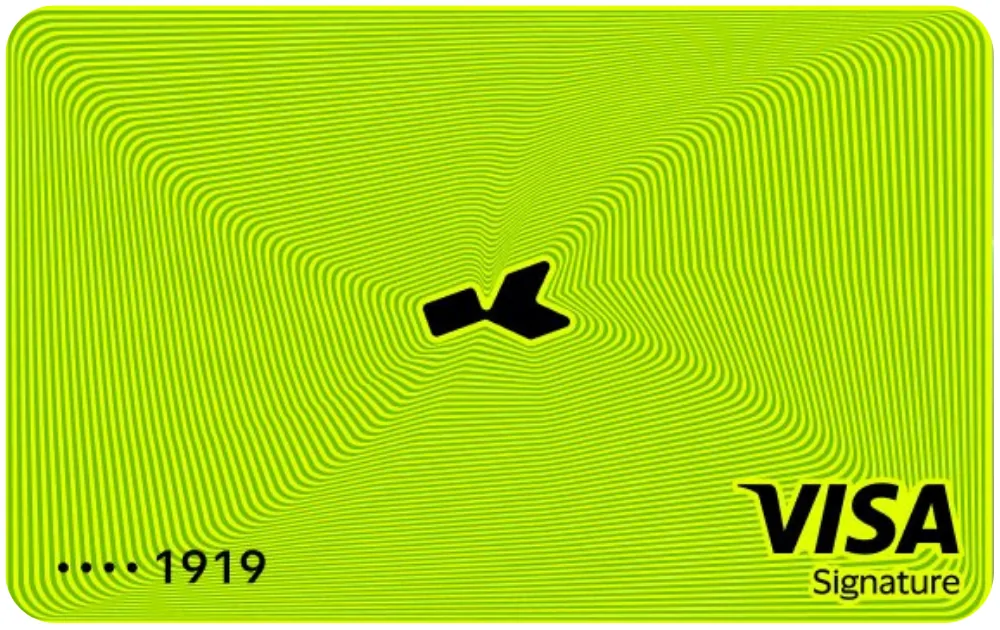
The short version: KAST is a global money app and Visa card product built around stablecoins. It lets users load value, hold a USD-denominated balance, and spend through virtual or physical cards.
Stablecoin deposit to card spend
Stablecoin deposit
Fund through supported rails.
->KAST balance
Hold a USD-style app balance.
->Virtual card
Add to Apple Pay or Google Pay.
->Visa merchant
Spend wherever the card is accepted.
Product Basics
What Is KAST?
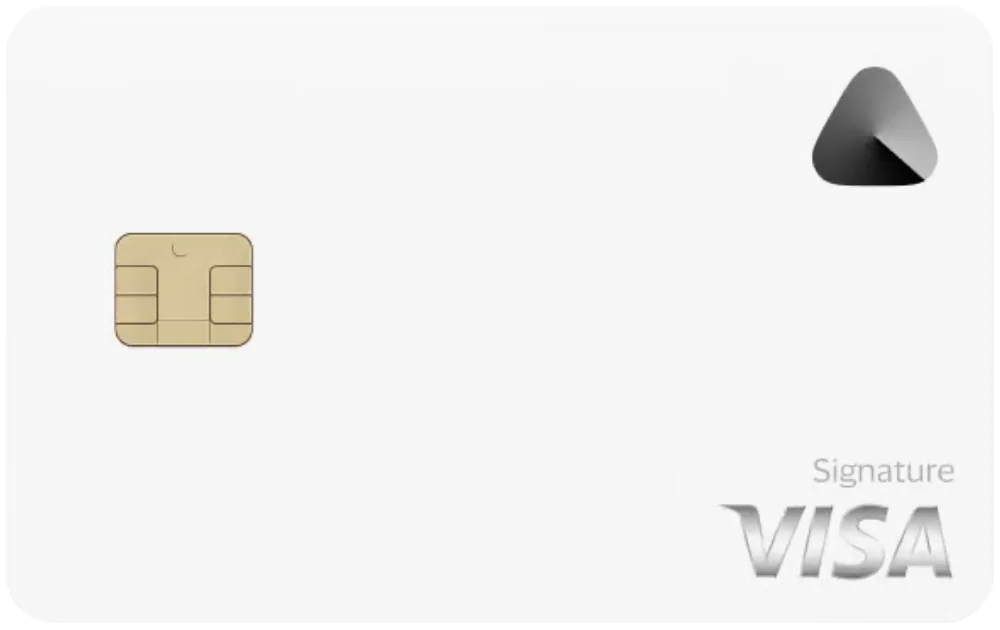
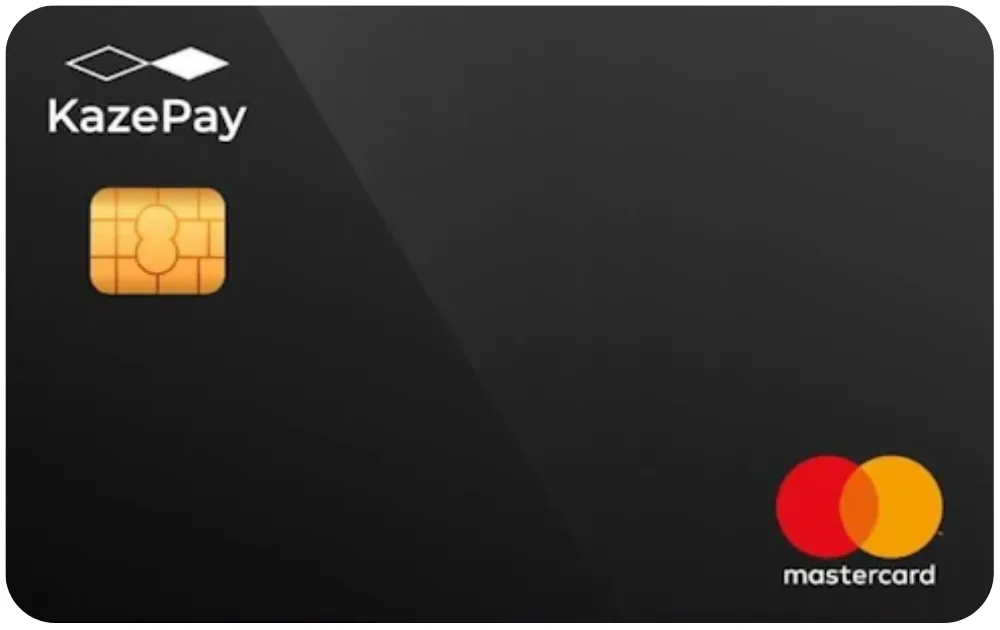
KAST describes itself as a global money app for saving, sending, and spending stablecoins. The KAST Card is the spending layer: a prepaid Visa card connected to your KAST account balance.
In practical terms, you deposit supported funds, KAST converts or represents that value inside a USD-based account experience, and you spend with a virtual or physical card anywhere the card is accepted.
The product is aimed at people who already live partly in crypto but still need to operate in the normal world, where rent, flights, groceries, subscriptions, and emergency airport purchases are not usually payable in USDC directly.
2026 Update
KAST Is Moving From Points-First to Cashback-First
Earlier KAST coverage focused heavily on KAST Points, seasonal reward rates, Solana-related perks, and premium card tiers. That historical context still matters if you are comparing old screenshots or community posts.
The current KAST positioning is different. KAST's official membership page now highlights USD cashback that can be spent directly, with Standard, Premium, and Private membership levels.
The practical takeaway is simple: evaluate KAST using the current official membership terms, not only older seasonal points rates quoted in older reviews.
USD cashback by membership
Daily Use
How KAST Card Works
Normal user flow
- Create a KAST account.
- Complete identity verification.
- Deposit supported funds through available rails.
- Activate a virtual card after approval.
- Add it to Apple Pay or Google Pay where supported.
- Spend from the KAST balance wherever the card is accepted.
What stands out
- Stablecoin-first spending from a USD-style balance.
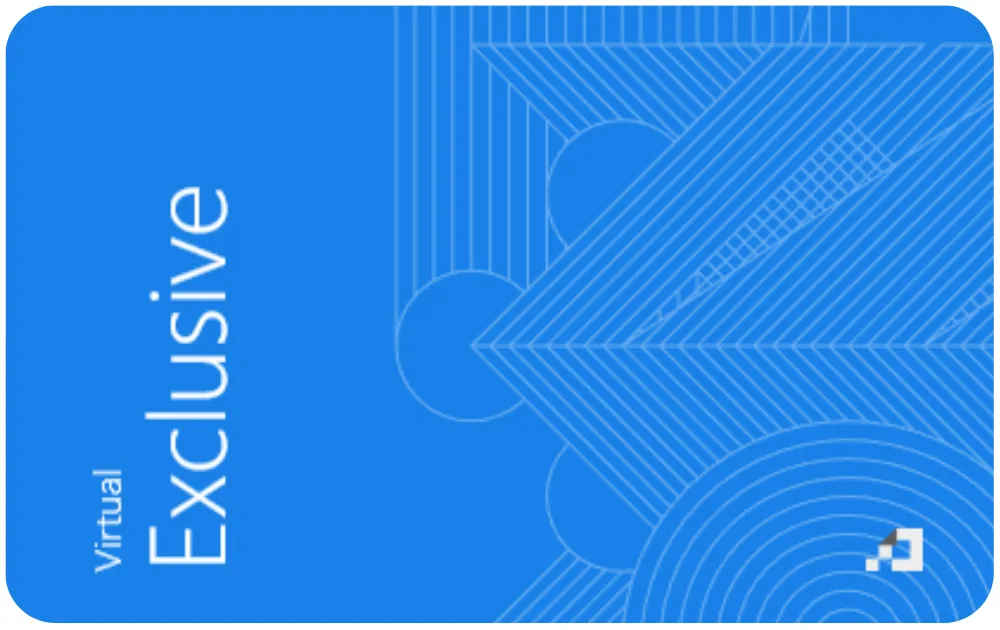
- Instant virtual card experience after approval.
- Cashback structure that is easier to understand than points-only rewards.
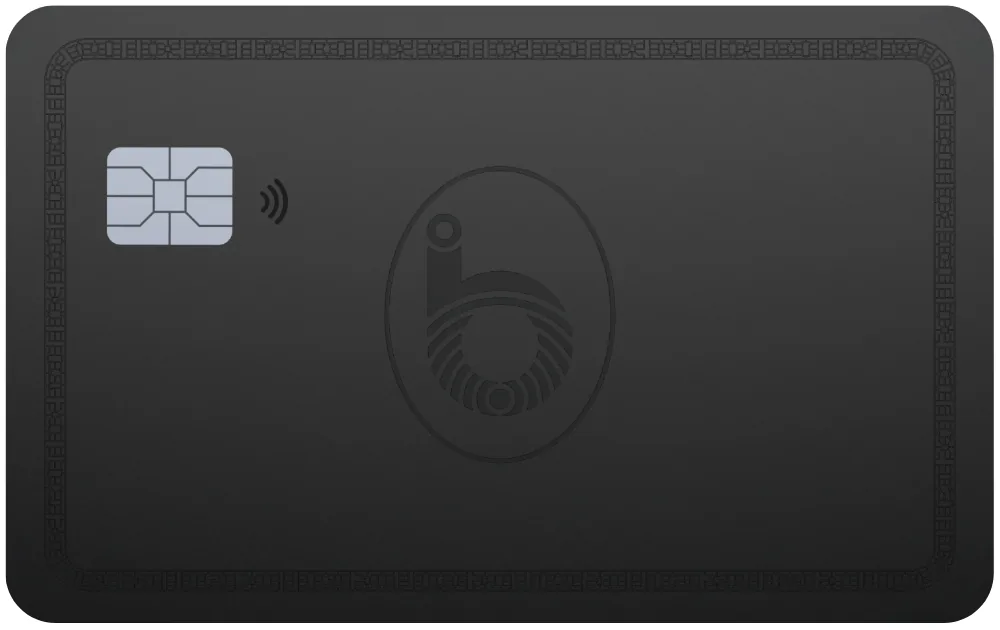
- Premium card positioning for users who want a private-banking-style crypto card experience.
- A polished brand identity with restrained black, white, grey, and mint styling.
Fees
Where the Magic Gets an Invoice
KAST can be inexpensive if you use it carefully, and costly if you use it casually. That is true of most crypto cards, but KAST's premium tiers make the math especially important.
Standard is the sensible testing tier because the annual fee is zero. Premium only makes sense if your spending volume, rewards, caps, and perks justify $1,000 per year. Private is for high spenders and status-card users, not casual experimentation.
- Paid membership fees.
- FX or non-USD transaction costs.
- ATM withdrawal fees and operator charges.
- Stablecoin network costs.
- Conversion spreads on non-stablecoin deposits.
Rewards are only useful after fees
Standard annual fee
$0
Premium annual fee
$1,000
Private annual fee
$10,000
Cashback range
1.5%-3%
Standard is the low-risk test tier. Premium and Private only make sense when cashback, KAST Points, card perks, caps, and actual spending volume justify the annual fee.
Paid tiers need heavy spend
Pros and Cons
Pros and Cons
Pros
- Stablecoin-first spending is genuinely useful for crypto-native users.
- Free Standard tier gives users a low-risk way to test the product.
- Virtual card plus Apple Pay and Google Pay support makes daily use easier.
- Current USD cashback positioning is clearer than points-only rewards.
- Premium branding and card design are stronger than many crypto-card competitors.
- Card controls, tokenized payments, and real-time app features make the experience feel modern.
Cons
- Paid tiers are expensive, especially Premium and Private.
- Reward terms, caps, and eligible transaction rules can change.
- The custodial model introduces platform, partner, and account-restriction risk.
- Regional approval and availability are not guaranteed.
- ATM use and non-USD transactions can become costly.
- Crypto spending may create tax reporting work in many countries.
Risk
Security, Custody, Limits, and Taxes
Custody
KAST is convenient because it is custodial. You are trusting KAST and its partners to hold, process, and route funds correctly.
Limits and access
Availability depends on residency, compliance approval, partner coverage, jurisdiction-specific rules, and account tier.
Taxes
Spending crypto can create taxable events in many countries. Stablecoins may simplify tracking, but they do not remove record-keeping obligations.
Fit
Who KAST Is Best For
Best for
- Stablecoin-heavy users who want to spend without constant exchange withdrawals.
- Digital nomads and international users who need card access and crypto-native funding.
- Users who value Apple Pay and Google Pay convenience.
- Higher spenders who can actually justify paid membership tiers.
- Crypto professionals who want a polished card experience and accept custody tradeoffs.
Less ideal for
- People who want full self-custody at all times.
- Low spenders considering paid tiers mainly for the aesthetics.
- Users who rely heavily on ATM withdrawals.
- Anyone in a jurisdiction where KYC approval or card support is uncertain.
- People who do not want to track crypto tax records.
Alternatives
KAST vs Other Crypto Cards
KAST's closest competitors are not identical products. Some crypto cards are exchange-linked, some are multi-chain spending tools, some are self-custody oriented, and some are traditional fintech cards with crypto features added on top.
KAST's differentiator is not simply that it is a crypto card. It is stablecoin-centered global money plus premium card design. Compared with exchange cards, KAST feels more focused. Compared with pure self-custody cards, KAST is more convenient but less trustless. Compared with standard bank cards, KAST is more crypto-native but more complex.
In one sentence: KAST is best judged as a stablecoin spending account with card access, not as a magic card that turns every crypto asset into frictionless money for free.
Final Verdict
KAST Is Strong, but Only for the Right User
KAST is one of the more polished attempts to make stablecoin spending feel normal. The product has a strong identity, a clear use case, and a cleaner current reward story thanks to USD cashback.
It is especially compelling for people who already hold stablecoins, move across borders, or want a fintech-style card without constantly cashing out through exchanges. But the card is not automatically cheap, and the premium tiers are absolutely not impulse purchases.
CryptoCardHQ verdict: 8.2/10 for the right stablecoin-first user, and 6.8/10 for the average casual crypto holder.
FAQ
Quick Answers
Is KAST Card a debit card, credit card, or prepaid card?
KAST Card is best understood as a prepaid Visa-style card product connected to a KAST account balance. Users load funds before spending. It is not a revolving credit card.
Does KAST Card support Apple Pay and Google Pay?
Yes. KAST promotes support for Apple Pay and Google Pay, allowing approved users to spend with a virtual card through supported mobile wallets.
What is the current KAST cashback rate?
KAST's official membership page currently lists Standard at 1.5%, Premium at 2%, and Private at 3% headline cashback. Paid tiers also list additional KAST Points. Terms, caps, and eligibility apply.
Is KAST available worldwide?
KAST markets broad global availability, but actual access depends on residency, identity verification, partner coverage, and local rules.
Is KAST Card worth it?
KAST is worth considering if you already use stablecoins and want convenient card spending. Most users should start with Standard. Paid tiers only make sense when spending volume, perks, rewards, and personal usage justify the annual fee.
Sources