

Crypto Card Spending Hits Record $600M Monthly
The crypto card market has reached a significant milestone in 2026, with monthly spending volumes surpassing $600 million — a 500% increase compared to the same period in 2025. The data, compiled from on-chain transaction records and card network reports, signals a fundamental shift in how cryptocurrency holders are using their digital assets for everyday purchases.
Key Takeaway
Monthly crypto card spending has crossed $600M, with Visa-backed cards accounting for the majority of volume. This represents a 5x increase in just 12 months.
Visa Leads the Network Race
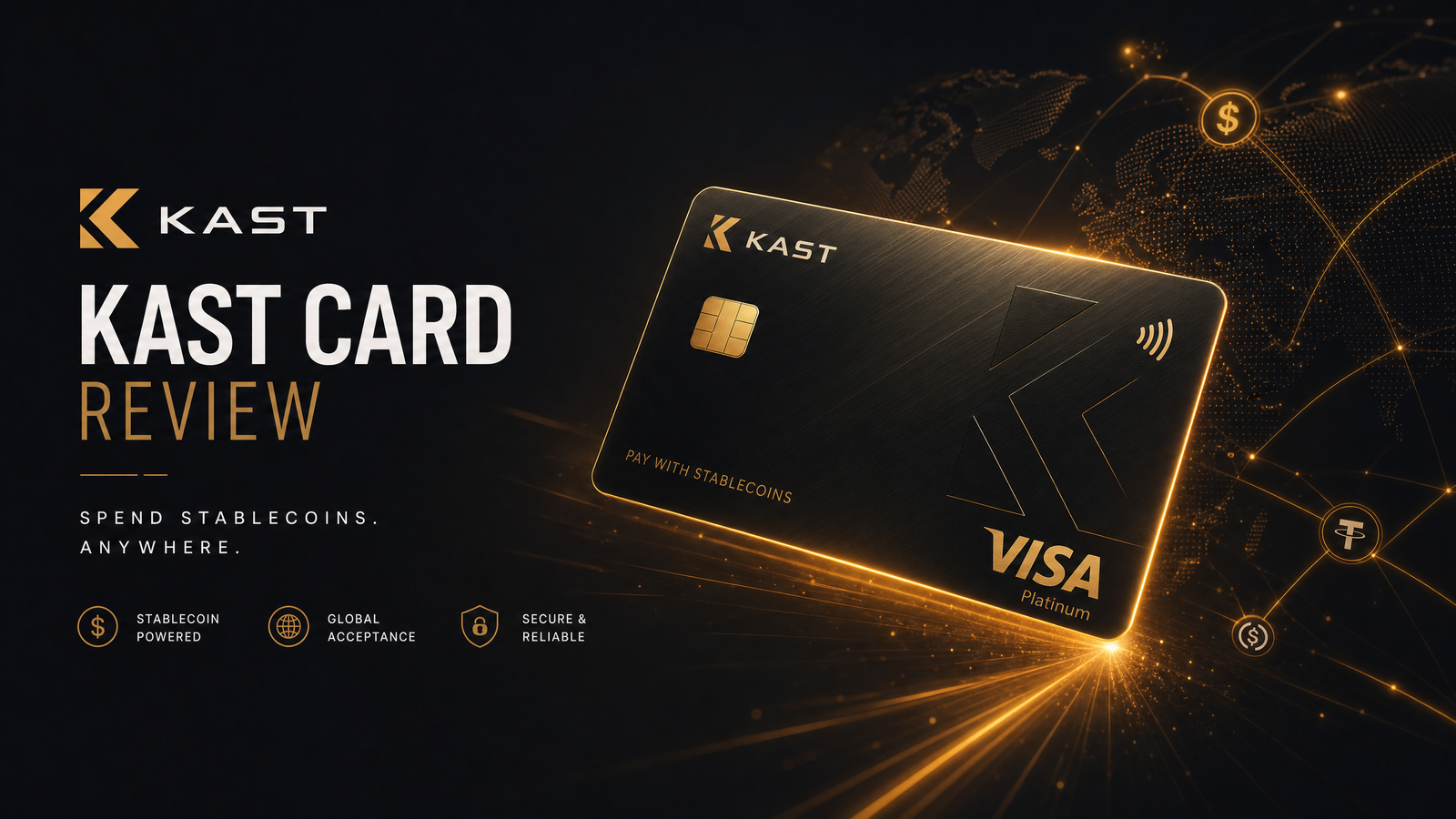
Visa-backed crypto cards account for approximately 68% of total transaction volume, driven by partnerships with major providers including Coinbase, Crypto.com, and the KAST Card. Mastercard-backed cards represent 29% of volume, with the remainder split across smaller networks.
The dominance of established payment networks reflects the industry's maturation — consumers are prioritising reliability and merchant acceptance over crypto-native features when choosing a card for daily spending.
Geographic Distribution of Spending
Europe remains the largest market for crypto card spending, accounting for approximately 41% of global volume. The EU's MiCA regulatory framework, which came into full effect in 2025, has provided clarity for card issuers and increased consumer confidence in crypto payment products.
The United Kingdom, despite operating outside MiCA, has seen strong growth driven by Revolut's crypto card offering and the popularity of Plutus Card among DeFi-native users.
Asia-Pacific is the fastest-growing region, with spending volumes up 720% year-over-year. The Philippines, Vietnam, and South Korea have emerged as particularly strong markets, driven by high crypto ownership rates and the popularity of no-KYC virtual cards for online transactions.
North America, historically underserved due to regulatory constraints, is showing signs of acceleration following the launch of several US-compatible cards including the KAST Card and the Coinbase Card's expanded rewards programme.
What Is Driving Growth
Several structural factors are contributing to the acceleration in crypto card spending.
The proliferation of stablecoin-backed cards has removed the volatility risk that previously deterred everyday spending. Cards like RedotPay and KAST allow users to spend USDT and USDC directly, with no exposure to price swings at the point of sale.
Improved cashback programmes have also played a significant role. Cards offering 1-3% cashback in crypto have attracted users who previously used traditional rewards credit cards, particularly as crypto prices have stabilised.
Merchant acceptance has expanded significantly, with Visa and Mastercard's existing infrastructure ensuring that crypto cards are accepted at virtually any point-of-sale terminal worldwide.
The Road Ahead
Industry analysts project that monthly crypto card spending will exceed $1 billion by Q4 2026, driven by continued product improvements, broader geographic availability, and the growing normalisation of crypto as a spending asset rather than a purely speculative investment.
The key battleground for card issuers in the second half of 2026 will be cashback rates, stablecoin support, and the depth of DeFi integrations that allow users to earn yield on their card balances.
For consumers, the expanding range of high-quality, zero-fee crypto cards means that the question is no longer whether to get a crypto card, but which one best matches their spending habits and crypto portfolio.