

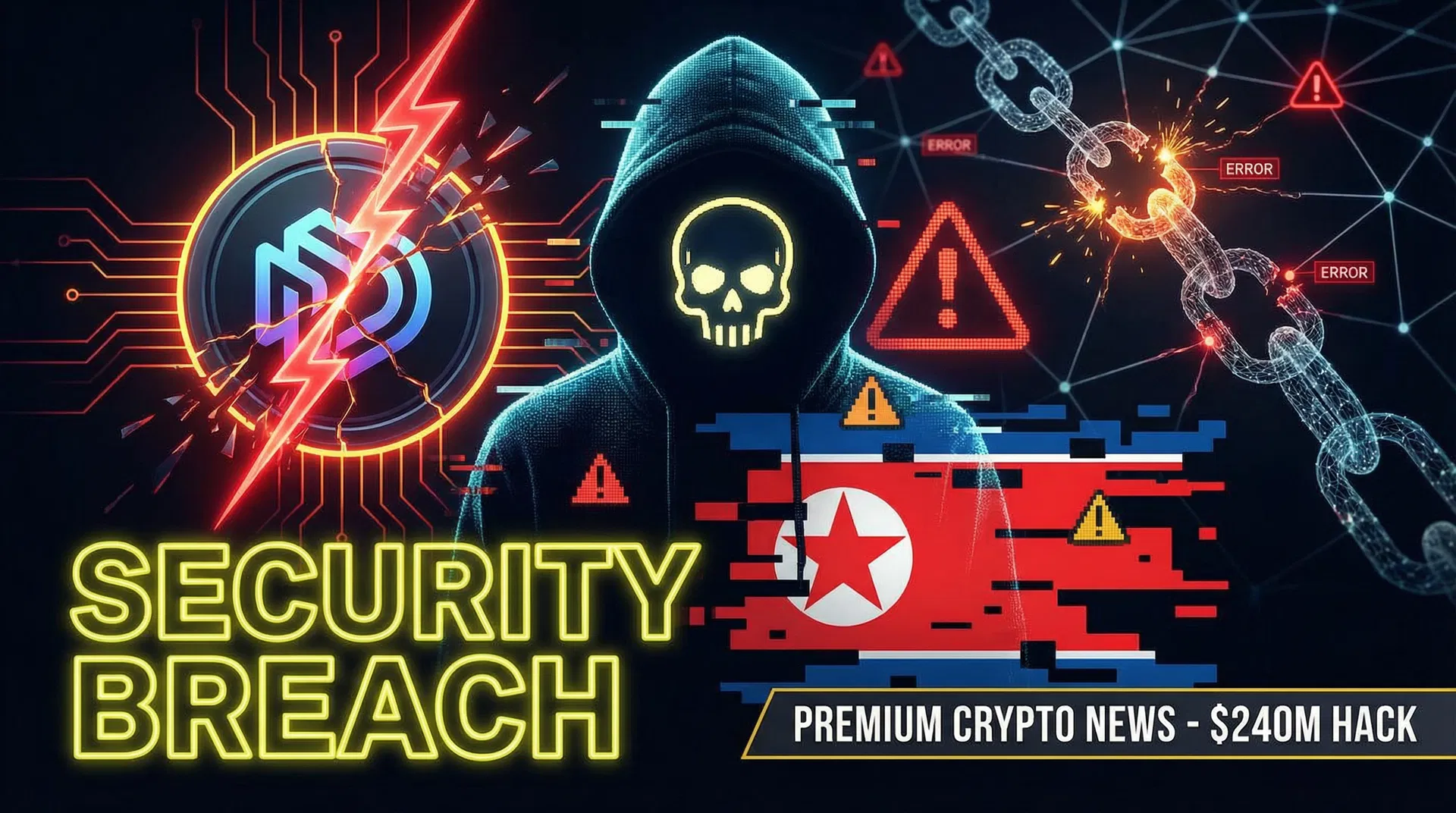
The decentralized finance sector has suffered its most devastating security breach of 2026. Drift Protocol, a perpetual futures exchange built on the Solana blockchain, lost between $240 million and $290 million in a sophisticated attack that cybersecurity investigators have now attributed to UNC4736, a North Korean state-sponsored advanced persistent threat group operating under the Lazarus umbrella.
The attack, which occurred on April 1, 2026, initially appeared to be a routine smart contract exploit. Within hours, however, on-chain forensics firms began tracing the fund movements to wallets previously linked to North Korean state operations. By April 6, SC World and multiple blockchain intelligence firms had confirmed the attribution, marking one of the most significant state-sponsored crypto heists in history.
How the Attack Unfolded
Drift Protocol operates as a decentralized perpetual futures exchange on Solana, allowing users to trade leveraged positions without a centralized intermediary. The platform had grown to manage over $400 million in total value locked at the time of the attack, making it one of the largest DeFi derivatives platforms on the Solana network.
According to post-incident analysis, the attackers exploited a vulnerability in Drift's smart contract logic related to how the protocol handled oracle price feeds during periods of low liquidity. By manipulating price data at a critical moment, the attackers were able to drain the protocol's insurance fund and liquidity pools in a sequence of transactions that lasted approximately 47 minutes before the Drift team was able to pause the protocol.
The root cause has been described by security researchers as "the scariest hack of 2026" — not because of the dollar amount alone, but because the exploit targeted a mechanism that many DeFi protocols share: the assumption that oracle prices cannot be manipulated at scale during off-peak hours.
North Korea's Growing Crypto Heist Machine
UNC4736, the threat actor blamed for the Drift attack, is a sub-group of the Lazarus Group, North Korea's premier state-sponsored hacking operation. The group has been responsible for an estimated $3 billion in crypto theft since 2017, with the funds believed to finance North Korea's weapons development programs.
The Lazarus Group's methodology has evolved significantly over the years. Early attacks focused on centralized exchanges using phishing campaigns and social engineering. By 2024 and 2025, the group had shifted its focus to DeFi protocols, smart contract vulnerabilities, and cross-chain bridge exploits — areas where the complexity of the code creates more attack surface and where recovery is far more difficult.
The Drift attack follows a pattern consistent with previous Lazarus operations: the initial exploit is executed with surgical precision, the funds are immediately moved through a series of mixing protocols and cross-chain bridges, and the laundering process begins within minutes of the theft.
The Aftermath: What Happens to Stolen Funds?
Tracking the movement of stolen funds from sophisticated state-sponsored attacks is extraordinarily difficult. Blockchain analytics firm Chainalysis has been monitoring the wallets associated with the Drift hack and reports that the funds have already been split across dozens of intermediate addresses, with portions moving through Tornado Cash successors and cross-chain bridges to Ethereum and Bitcoin networks.
The Drift team has announced a recovery plan that includes a combination of protocol-owned liquidity, emergency fundraising from investors, and a proposed debt token mechanism that would allow affected users to receive compensation over time as the protocol rebuilds. The team has also offered a $10 million white-hat bounty for the return of funds, though given the North Korean attribution, this is considered unlikely to yield results.
What This Means for DeFi Security
The Drift hack raises fundamental questions about the security architecture of decentralized protocols. Unlike centralized exchanges, DeFi protocols cannot simply freeze accounts or reverse transactions. Once funds leave a smart contract, recovery depends entirely on the attacker's willingness to return them or law enforcement's ability to seize assets at off-ramps.
Several security improvements have been proposed in the wake of the attack. These include mandatory time-locks on large withdrawals, multi-oracle price feed systems that require consensus from multiple independent sources before executing large trades, and circuit breakers that automatically pause protocols when unusual activity is detected.
For users of DeFi platforms, the Drift hack is a stark reminder that even audited, battle-tested protocols can harbor vulnerabilities that sophisticated attackers can exploit. Diversifying across protocols and never depositing more than you can afford to lose remain the most reliable risk management strategies available.
Protecting Your Crypto Assets
In light of this attack and the broader threat landscape, securing your digital assets has never been more important. Hardware wallets remain the gold standard for long-term storage, keeping your private keys completely offline and out of reach of even the most sophisticated remote attacks.
For active traders who need to keep funds accessible, using a reputable crypto card with strong security practices — including multi-factor authentication, withdrawal whitelisting, and insurance funds — provides a meaningful layer of protection compared to keeping funds in DeFi protocols.
If you are exploring the crypto ecosystem and want to spend your digital assets in everyday life, crypto debit cards from regulated issuers offer a way to access your holdings without exposing large amounts to DeFi smart contract risk.