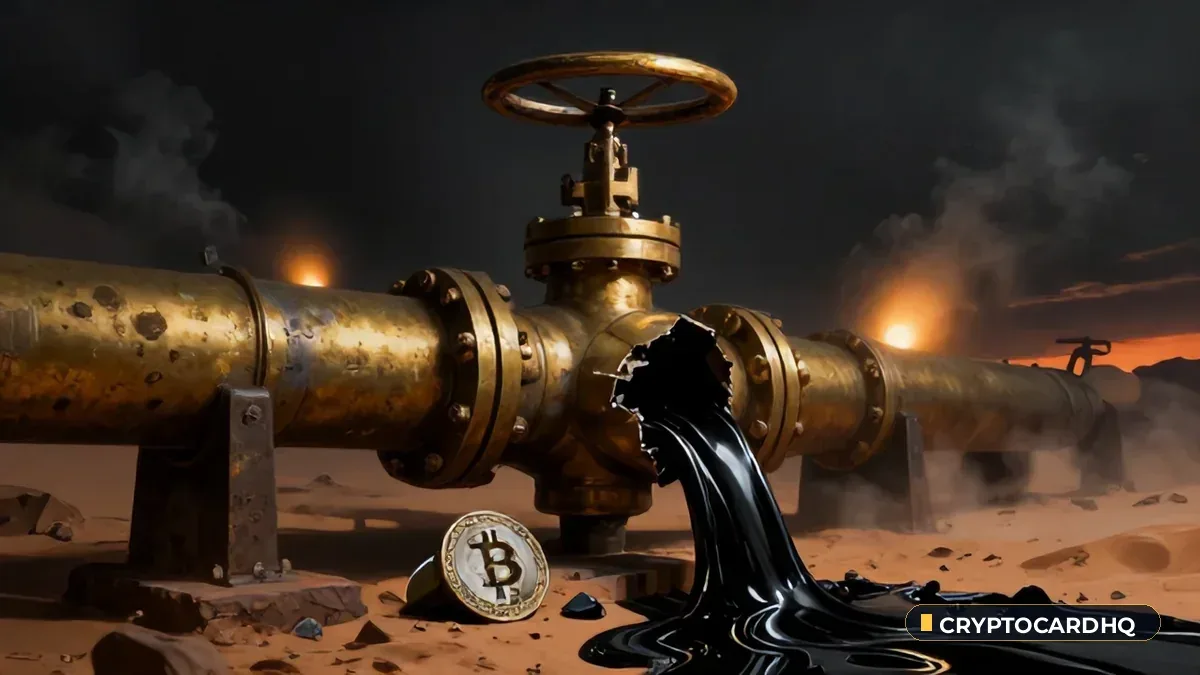
Surging U.S. diesel prices and severe tightness across transatlantic middle distillate inventories have triggered emergency diplomatic intervention. U.S. Secretary of State Marco Rubio is set to visit billionaire Mukesh Ambani’s massive Jamnagar refinery complex in Gujarat, India, marking a sharp operational shift in U.S. energy diplomacy as Western policymakers scramble to arrest diesel supply deficits. With domestic commercial trucking lines, railway transport, and agricultural harvesting operations feeling the pinch of escalating crack spreads, Washington is turning directly to the world’s largest refining export hub to secure steady fuel flows. The high-profile delegation arrives alongside major cross-border commercial maneuvers: Reliance Industries is actively pursuing an investment in a U.S. domestic refinery while systematically processing Venezuelan heavy crude oil, anchoring Jamnagar as an indispensable balance wheel in global refined products trade.
The 30-Second Executive Brief:
• The Catalyst: U.S. Secretary of State Marco Rubio travels to Gujarat to tour Mukesh Ambani’s Reliance Jamnagar complex as surging U.S. diesel benchmarks threaten freight inflation. > • The Money Flow: Reliance commits direct capital into a U.S. domestic refining facility while scaling feedstock absorption of discounted Venezuelan heavy crudes.
• The Market Reaction: Broad risk assets trade defensively against sticky energy input costs, with digital assets consolidating tightly around key psychological benchmarks. > • The Invalidation Trigger: A sustained breakdown below the lower bounds of the established trading channel or unexpected bilateral trade restrictions dampening refined export volumes.
Market Snapshot at Time of Reporting: At the time of reporting, BTC ($79,962.01, -0.82% 24h | Range: $79,368.67 - $80,951.57), while ETH ($2,314.96, -1.29% 24h | Range: $2,293.09 - $2,365.40) with broader market sentiment registering 50 (Neutral).
The Immediate Liquidation Timeline and Volatility Shock
Global energy desks reacted without hesitation to the prospect of formal diplomatic intervention at Jamnagar. When initial word of the bilateral mission broke, institutional desks engaged in rapid hedging across energy futures and broader risk-weighted books. Distillate cracks, which had climbed steadily through the early trading session, saw sharp bidirectional repricing as traders weighed the timeline of physical product arrivals against near-term Atlantic basin refinery maintenance schedules.
The transmission of this energy supply shock into digital asset markets occurred within minutes of the news cycle opening. As oil complex futures priced in sticky supply frictions, algorithmic trading programs calibrated for inflation expectations trimmed leverage across top-tier crypto assets. Bitcoin dipped briefly toward its daily trough of $79,368.67 before dip-buyers absorbed spot sales, while Ethereum saw localized liquidations pushing spot down toward $2,293.09 before stabilizing.
Market microstructure during this transition showed classic defensive positioning. Perpetual order books experienced modest widening in top-of-book bid-ask spreads across major centralized venues. Market makers pulled secondary bids to avoid toxic inventory flows as macro funds hedged broader dollar-denominated exposure. For digital asset holders, the operational dynamic is unambiguous: distillate shortages drive headline diesel prices, feeding into transportation costs, influencing central bank policy paths, and capping speculative liquidity across crypto markets.
Core Event Breakdown: The Jamnagar Diplomatic Offensive
The Jamnagar complex in western India is not an ordinary industrial installation. Spanning over 7,500 acres with an aggregate processing capacity exceeding 1.24 million barrels per day, the facility represents the single largest oil refining concentration on earth. Its extreme configuration—boasting a Nelson Complexity Index rating exceeding 21—enables it to digest the heaviest, dirtiest, high-sulfur crudes that most European and North American refiners cannot process economically, converting those sour feedstocks into ultra-low sulfur diesel (ULSD) and high-specification aviation fuels.
According to verified reporting reported by CNBC Energy & Commodities, Secretary Rubio's visit directly targets distillate security. With U.S. refining capacity permanently impaired following post-2020 facility closures and delayed turnaround cycles across the Gulf Coast, domestic diesel inventories have repeatedly scraped multi-year seasonal lows. Distillate fuel powers the backbone of the physical economy: Class 8 commercial tractor-trailers, freight locomotives, bulk maritime shipping, and agricultural machinery. Any prolonged price run-up in diesel directly elevates food and consumer goods prices within weeks.
Simultaneously, Reliance is aggressively repositioning its corporate footprint. The Indian conglomerate is advancing an equity investment into a U.S.-based refining asset, establishing a physical beachhead inside American borders to mitigate supply-chain bottlenecks. Parallel to this capital commitment, Reliance has scaled purchases of Venezuelan crude under adjusted sanctions mechanisms. Venezuelan heavy crude—notably grades like Merey 16—provides the ideal heavy-sour input for Jamnagar’s advanced coking units. By blending Venezuelan barrels with other sour supplies, Reliance maximizes diesel yields for Atlantic export routes, stepping into the void left by structural bans on Russian refined fuels across the G7.
Market & Structural Context: Energy Inflation and Crypto Collateral
The geopolitical convergence of U.S. diplomatic power and Indian industrial infrastructure highlights the fragile state of the post-2022 global supply matrix. For two years, Western policy focused on capping energy revenues of adversarial states. Yet the structural reality of global crude flows has dictated that raw, discounted barrels flow east to complex Asian processors, only to return westward as finished, compliant fuels. As market participants follow in our continuous Crude Oil & Middle East Macro News coverage, global refining constraints are increasingly becoming the primary driver of headline macroeconomic policy.
For digital asset markets, diesel prices matter far more than casual observers realize. High energy input costs translate into sticky baseline Consumer Price Index (CPI) and Personal Consumption Expenditures (PCE) prints. When diesel surges, the Federal Reserve faces acute friction in easing liquidity conditions or lowering borrowing benchmarks. Institutional capital allocation models view high real interest rates as a disincentive to hold non-yielding digital assets.
This macroeconomic backdrop intersects directly with broader institutional crypto integrations. As institutional participants observed in the landmark reporting on how Wall Street Crypto Push Beats Clarity Act Gridlock, institutional capital deployment does not wait for absolute regulatory consensus. Instead, corporate and banking balance sheets actively balance traditional commodity risks against yield-bearing digital asset structures. When transportation fuel inflation threatens corporate margins, institutional treasuries seek alternative capital efficiency strategies, including tokenized credit and automated yield generation.
Key Figures & Operational Breakdown
The strategic realignment across Jamnagar, Washington, and domestic supply nodes carries profound operational consequences across fuel markets and institutional digital asset desks:
| Metric / Factor | Previous Market Baseline | Jamnagar Diplomatic Development | Macro & Digital Asset Impact |
|---|---|---|---|
| Primary Supply Route | U.S. Gulf Coast to Atlantic consumers | Direct high-capacity maritime flows from Gujarat to U.S./EU ports | Softens regional distillate premiums; limits sudden freight cost spikes |
| Reliance U.S. Strategy | Purely offshore merchant refiner | Direct capital investment into U.S. domestic refinery infrastructure | Blunts transatlantic supply interruptions; enhances cross-border energy integration |
| Feedstock Integration | Limited Latin American crude exposure | Large-scale processing of discounted Venezuelan heavy crudes | Optimizes Jamnagar coker utilization; yields maximum ultra-low sulfur diesel |
| Macro Inflation Transmission | Runaway diesel cracks driving transport inflation | Capped upside on domestic diesel pump prices | Reduces risk of abrupt hawkish central bank liquidity contractions |
| Crypto Market Liquidity | Erratic liquidity driven by fuel cost volatility | Range-bound consolidation across major crypto pairs | Anchors BTC and ETH spot markets within established technical channels |
Strategic Implications & Risks: The 24-48 Hour Horizon
While the Jamnagar initiative provides a temporary relief valve for physical product deficits, it introduces distinct geopolitical and systemic vulnerabilities. Relying on an Indian manufacturing complex processing Venezuelan heavy crude exposes the U.S. fuel supply to volatile sanction policies. If diplomatic relations with Caracas deteriorate, or if domestic political pushback in Washington challenges the regulatory clearance of Reliance's Venezuelan oil purchases, the feedstock equilibrium could shatter rapidly.
Digital asset market participants must evaluate several holder hazard warnings over the next 24 to 48 hours:
- 1Headline Shock Volatility: Any unexpected breakdown in diplomatic negotiations or public disagreements over trade terms could trigger an abrupt spike in crude futures, generating swift downward pressure on high-beta digital assets.
- 2Liquidity Drain from Margin Calls: Elevated volatility in energy derivative contracts often compels multi-strategy commodity funds to liquidate liquid digital asset holdings to satisfy physical energy margin requirements.
- 3Dollar Index Resilience: If energy security anxieties persist, institutional capital often shifts toward cash equivalents, dampening upside momentum for Bitcoin and Ethereum.
As legislative frameworks evolve alongside industrial shifts—a dynamic detailed in our review of how Congress Just Gave Bitcoin Its Biggest Legal Win—digital assets increasingly trade as sensitive bellwethers of global monetary liquidity rather than isolated speculative instruments.
Crypto Cards & Everyday Spending Analysis
For retail cryptocurrency holders, the geopolitical maneuvering in Gujarat has immediate, tangible consequences on the checkout line. Diesel prices dictate shipping surcharges across global commerce, from grocery supply chains to hardware manufacturing. When freight transportation costs climb, consumer purchasing power contracts, elevating the importance of payment optimization and real-time capital utility.
Crypto card users operating on stablecoin rails (USDC, USDT) or direct digital asset spending protocols must actively manage their daily spending parameters:
- Preserving Daily Liquidity: When fuel-driven inflation pushes retail goods higher, crypto cardholders should avoid liquidating core spot positions during intraday price dips. Utilizing multi-currency debit options reviewed in our exhaustive guide to the Best Crypto Cards allows users to switch primary spending balances to dollar-pegged stablecoins during periods of commodity turbulence.
- Foreign Exchange and Cross-Border Transaction Fees: For users traveling across energy-sensitive jurisdictions, localized card processing fees can compound quickly. Ensuring your crypto card features zero foreign transaction fees and transparent conversion spreads becomes critical as macro energy swings inject volatility into fiat currency pairs.
- Optimizing Cashback Yields: As merchant pricing adjusts to absorb higher transportation overhead, automated cashback incentives—ranging from 2% to 8% paid out in Bitcoin or ecosystem tokens—serve as a strategic buffer against real-world price creep.
Maintaining financial flexibility via flexible payment rails ensures cardholders retain their crypto exposure without absorbing unnecessary slippage or punishing transaction spreads.
Catalysts & What to Watch Next
Market participants should closely monitor several technical and political milestones over the coming days:
- Formal Communiqué Releases: The joint statements following Secretary Rubio’s meetings with Mukesh Ambani will clarify whether official fuel procurement agreements, shipping waivers, or investment approvals have been signed.
- U.S. Distillate Inventory Reports: The upcoming Energy Information Administration (EIA) weekly petroleum status report will offer empirical evidence on whether current domestic refinery throughput is stabilizing or continuing to drain inventories.
- Reliance Investment Filings: Regulatory disclosures concerning Reliance's acquisition or equity purchase in an American refinery will reveal the scale of capital commitment and operational control.
- Crypto Support Defense: Watch whether Bitcoin spot markets hold firmly above the critical $79,300 support boundary. A decisive close below this level would signal deeper macro de-risking across spot order books.