











RedotPay Card Review 2026: Fees, USDT & Verdict
RedotPay Card review 2026. Visa prepaid card for USDT/USDC spending, $0 annual fee, virtual + physical card, 170+ countries. Full review of fees, limits, pros and cons.
Best for
USDT/USDC users
Annual fee
$0
Cashback
$10 bonus only
Verdict
4.3/5
170+ countries supported
Review Snapshot
What You Need to Know
RedotPay is one of the most globally accessible crypto cards available today. While many crypto card providers restrict themselves to Western markets, RedotPay has built a product that actually works in emerging markets — particularly across Asia, the Middle East, Nigeria, and other regions that are often underserved by fintech.
The short version: RedotPay is a Visa prepaid card built around USDT and USDC spending. It charges $0 annually, issues virtual cards almost instantly, and accepts physical card requests for in-person spending. If you need a stablecoin card and you live outside the US or Western Europe, RedotPay is likely the most accessible option available to you.
USDT deposit to global card spend
Fund with USDT/USDC
Deposit stablecoins to your RedotPay account.
->RedotPay balance
Balance held custodially in-app.
->Virtual card
Add to Apple Pay or Google Pay.
->Visa merchant
Spend at 170+ countries globally.
Product Basics
What Is RedotPay Card?
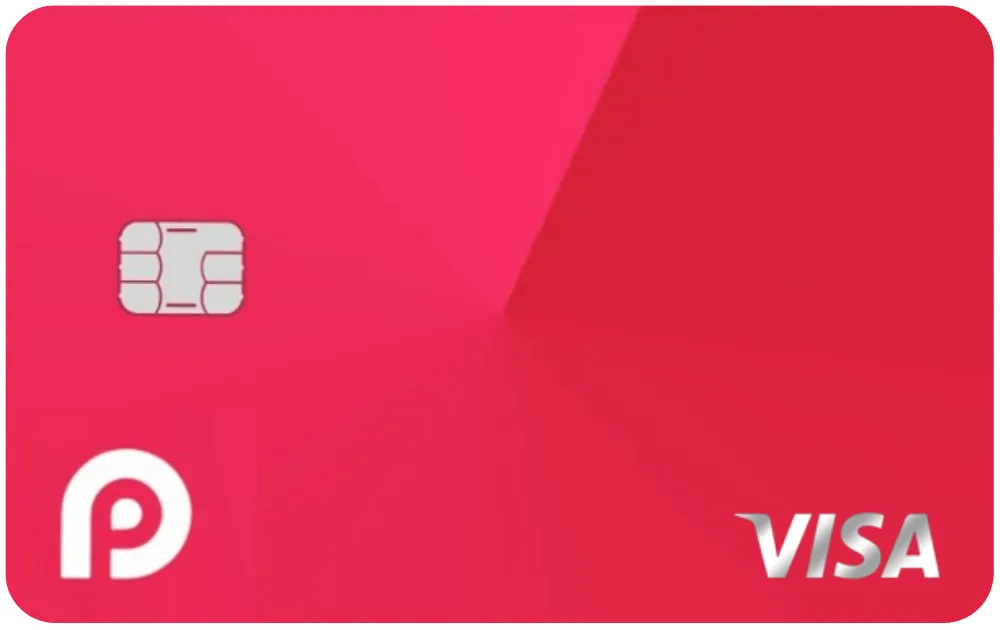
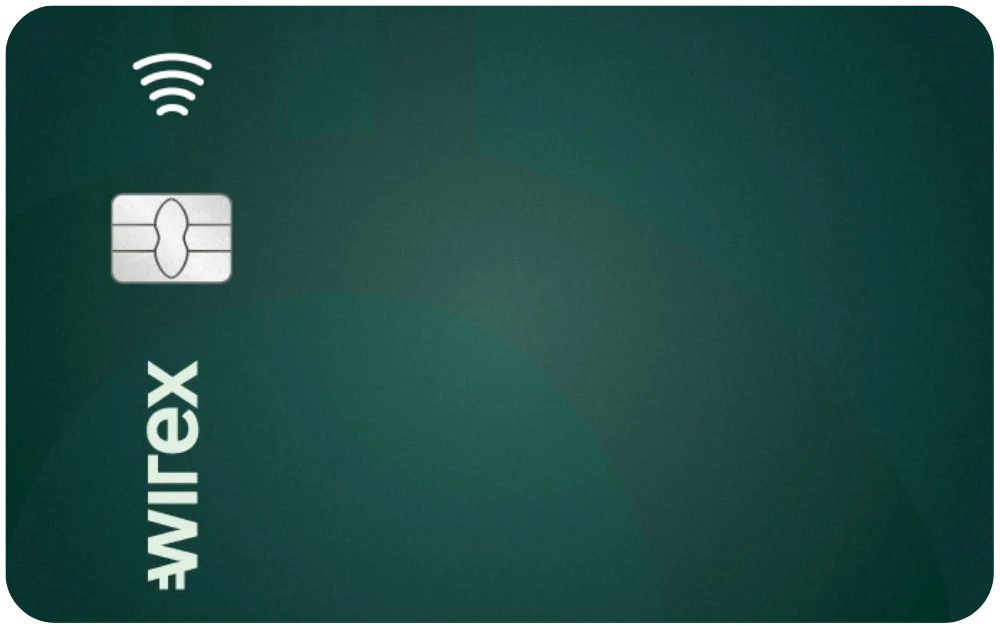
RedotPay is a Hong Kong-based crypto payment company founded to bridge the gap between digital asset holders and everyday spending. The RedotPay Card is a Visa prepaid card that allows users to spend USDT, USDC, BTC, ETH, and other supported cryptocurrencies at any merchant that accepts Visa, worldwide.
The mechanics are straightforward: you deposit supported crypto assets into your RedotPay account, and the card converts the necessary amount at point of sale. You never need to manually off-ramp to a bank account first. The virtual card is issued within minutes of identity approval, and a physical card can be requested for in-person use.
RedotPay is aimed at the genuinely global crypto user — someone who may not have easy access to a traditional bank account, who holds stablecoins as their primary spending currency, or who lives in a country where other crypto cards don't operate. The product is not trying to be the highest-rewards card in a saturated Western market. It is trying to be the most available card in the markets that everyone else ignores.
Geographic Reach
170+ Countries: The Headline That Matters
The single most compelling thing about RedotPay is its geographic coverage. 170+ countries is not a marketing number thrown around casually — it reflects real availability in markets that many crypto card competitors explicitly do not support.
Most crypto cards are optimized for users in the US, UK, EU, or Australia. They apply for financial licenses in those markets, build their products around those users, and treat everywhere else as a vague future roadmap item. RedotPay is different. Its primary audience includes Asia-Pacific users, users in the Middle East and North Africa, sub-Saharan African users (particularly Nigeria), and Southeast Asian markets like the Philippines, Vietnam, and Indonesia.
For a user in Lagos, Manila, or Dubai who holds USDT and wants a card they can actually use at restaurants, online merchants, and subscription services, RedotPay is one of the few products that genuinely works. That geographic accessibility is RedotPay's core value proposition — and it is a strong one.
The notable exception is the US market, where RedotPay has limited availability. US-based users looking for stablecoin card options should consider alternative providers.
170+ countries supported
Core Feature
USDT and USDC Spending Without the Friction
How stablecoin spending works
- Deposit USDT, USDC, BTC, or ETH to your RedotPay account.
- Complete identity verification to activate your card.
- Receive a virtual Visa card almost instantly after approval.
- Add to Apple Pay or Google Pay for contactless use.
- Spend at any Visa-accepting merchant globally.
- Request a physical card for in-person spending and ATM access.
Why stablecoin-native matters
Most crypto card users don't want to sell their ETH or BTC to spend. But they also don't want to convert stablecoins manually through an exchange before every purchase. RedotPay solves this by treating USDT and USDC as first-class deposit currencies — you load them directly and spend directly.
This is especially relevant for users in high-inflation economies who hold USDT as a substitute for unreliable local currencies. For those users, RedotPay isn't just convenient — it's a practical financial tool that connects their stablecoin holdings to everyday commerce.
Fees
Zero Annual Fee, But Read the FX Fine Print
RedotPay's $0 annual fee and $0 monthly fee make it one of the lowest-barrier crypto cards to hold. You don't need to commit to any subscription or meet minimum spending thresholds to keep the card active. This is a genuine differentiator compared to cards like KAST Premium or other tiered products.
However, the free-to-hold model doesn't mean free-to-use. FX fees are the primary ongoing cost, and RedotPay's fee structure is a split model: roughly a 1% conversion fee plus a spread on top. This is less transparent than competitors that advertise "0% FX" (though those products often embed costs elsewhere).
For everyday USDT or USDC spending in USD-denominated transactions, the FX fee is minimal or nonexistent — you're not converting currencies. The fees become relevant when spending in local currencies that require conversion. If you're spending primarily in USD or USD-pegged markets, RedotPay's cost profile is genuinely low. If you're spending in GBP, EUR, JPY, or emerging market currencies regularly, factor in the conversion costs.
- FX conversion fee (~1%) plus spread applies on non-USD transactions.
- ATM withdrawal fees apply — check in-app for current rates.
- Physical card issuance may carry a one-time fee.
- No ongoing cashback to offset FX costs on international spending.
$0 annual fee, but FX costs apply
Annual fee
$0
Monthly fee
$0
Cashback
None (bonus only)
FX fee
~1% + spread
RedotPay has no annual or monthly fees, but FX fees apply on non-USD transactions. ATM withdrawals also carry separate charges. The welcome bonus is a one-time $10 — not a recurring reward.
Pros and Cons
Pros and Cons
Pros
- Available in 170+ countries — one of the widest geographic footprints of any crypto card.
- $0 annual fee — no ongoing cost to hold or use the card.
- Supports USDT and USDC natively — no manual conversion needed before spending.
- Instant virtual card issuance — usable within minutes of approval.
- Apple Pay and Google Pay compatible for contactless spending.
- Physical card available for in-person and ATM use worldwide.
Cons
- No ongoing cashback program — only a one-time $10 welcome bonus.
- FX fees apply and are complex — split fee structure is less transparent than '0% FX' competitors.
- Full KYC required — not suitable for privacy-conscious users.
- Custodial model — funds held by RedotPay, not in your own wallet.
- ATM withdrawal fees apply on top of network operator charges.
- Customer support has historically had slow response times per user reports.
Risk
Custody, Security, and Practical Limits
Custodial model
RedotPay holds your funds. This is standard for prepaid cards and enables regulatory compliance, but it means you're trusting RedotPay's infrastructure and solvency. Only top up what you plan to spend.
KYC requirements
Full identity verification is mandatory. RedotPay is not a privacy card. Your spending and identity are linked through the KYC process. This is required for regulatory compliance in the jurisdictions where RedotPay operates.
Tax and records
Spending stablecoins may still create taxable events in some jurisdictions, even if gains are minimal. Keep records of your deposits and spending. USDT and USDC simplify tax accounting versus volatile crypto, but they don't eliminate the obligation.
Fit
Who RedotPay Is Best For
Best for
- USDT and USDC users who want frictionless stablecoin spending without manual off-ramps.
- Users in Asia, the Middle East, Africa, and other emerging markets where other crypto cards aren't available.
- Travelers and digital nomads who need a card with genuine global acceptance.
- Anyone who wants a $0-fee card with no ongoing cost commitment.
- Users who need both virtual and physical card options from one provider.
Less ideal for
- Users who prioritize ongoing cashback rewards — RedotPay offers none.
- Privacy-first users — full KYC is mandatory.
- Self-custody advocates — RedotPay is fully custodial.
- Users who make frequent ATM withdrawals — fees add up.
- Users in markets where KAST, Nexo, or Gnosis Pay are available and offer better value.
Alternatives
RedotPay vs Other Crypto Cards
RedotPay's most direct competitor for stablecoin spending is KAST Card. Both are Visa-based, both support USDT and USDC, and both target crypto-native users. The key difference is cashback: KAST's Standard tier offers 1.5% cashback on all spending, while RedotPay offers a one-time $10 welcome bonus and nothing recurring. For any user who spends more than a few hundred dollars a month, KAST's rewards program delivers meaningfully better value — assuming KAST is available in your market.
Nexo Card is another alternative worth comparing. Nexo offers up to 2% cashback and is available in Europe, but it requires holding NEXO tokens to unlock the best reward rates and has a narrower geographic footprint than RedotPay.
For self-custody advocates, Gnosis Pay and MetaMask Card offer hybrid or non-custodial models — but both are currently limited to European markets. RedotPay remains the strongest option for users outside the EU/UK who want stablecoin card access without needing a European address.
In one sentence: RedotPay is best for users in emerging markets who need a stablecoin card that actually works where they live — it is the accessibility and geographic reach play, not the rewards play.
Final Verdict
RedotPay Is Best in Class for Global Reach
RedotPay is the go-to stablecoin spending card for users in markets where alternatives are limited — particularly Asia, the Middle East, Nigeria, and other emerging markets. The 170+ country coverage is genuinely impressive and hard to match. Getting a virtual card within minutes of approval, with zero annual fee, and the ability to spend USDT directly without manual off-ramping, is a compelling product regardless of what you think about the cashback situation.
The main weakness is the lack of any cashback: if you're choosing between RedotPay and KAST for stablecoin spending in a market where both are available, KAST's rewards program makes it the better value for most users. RedotPay wins on accessibility, global footprint, and brand recognition in emerging markets. It's a solid card but not the best value card if you live somewhere that offers more options.
CryptoCardHQ verdict: 4.3/5 — the best option for emerging market users and a reliable stablecoin card globally, with cashback as its only notable gap.
FAQ
Quick Answers
Is RedotPay available in my country?
RedotPay is available in 170+ countries. It supports most markets in Asia, the Middle East, Europe, and Africa. The US and a few other markets have limited availability. Check the RedotPay app during registration to confirm your country.
Does RedotPay Card have cashback?
RedotPay offers a $10 welcome bonus but no ongoing cashback program. If cashback is your priority, KAST Card or Nexo Card offer better rewards on everyday spending.
Can I spend USDT directly with RedotPay?
Yes — RedotPay is designed for stablecoin spending. You can top up with USDT or USDC and spend without manually converting to fiat. The card handles conversion at the point of sale.
What are RedotPay's FX fees?
RedotPay applies a conversion fee plus a spread when spending in currencies other than USD. The exact rate varies — check in-app before making large international transactions, as the split fee structure means the true cost is not always immediately obvious.
Is RedotPay Card safe?
RedotPay is a regulated payment provider. As a custodial card, your top-up balance is held by RedotPay. Use only what you intend to spend, similar to any prepaid card, and don't treat the account as a long-term savings vehicle.
How does RedotPay compare to KAST Card?
Both target stablecoin users. KAST offers cashback rewards and cleaner fee transparency. RedotPay has wider geographic availability — particularly in Asia and emerging markets — and is more established in those regions. If both are available to you, KAST generally offers better value; if RedotPay is your only viable option, it does the job well.
Sources