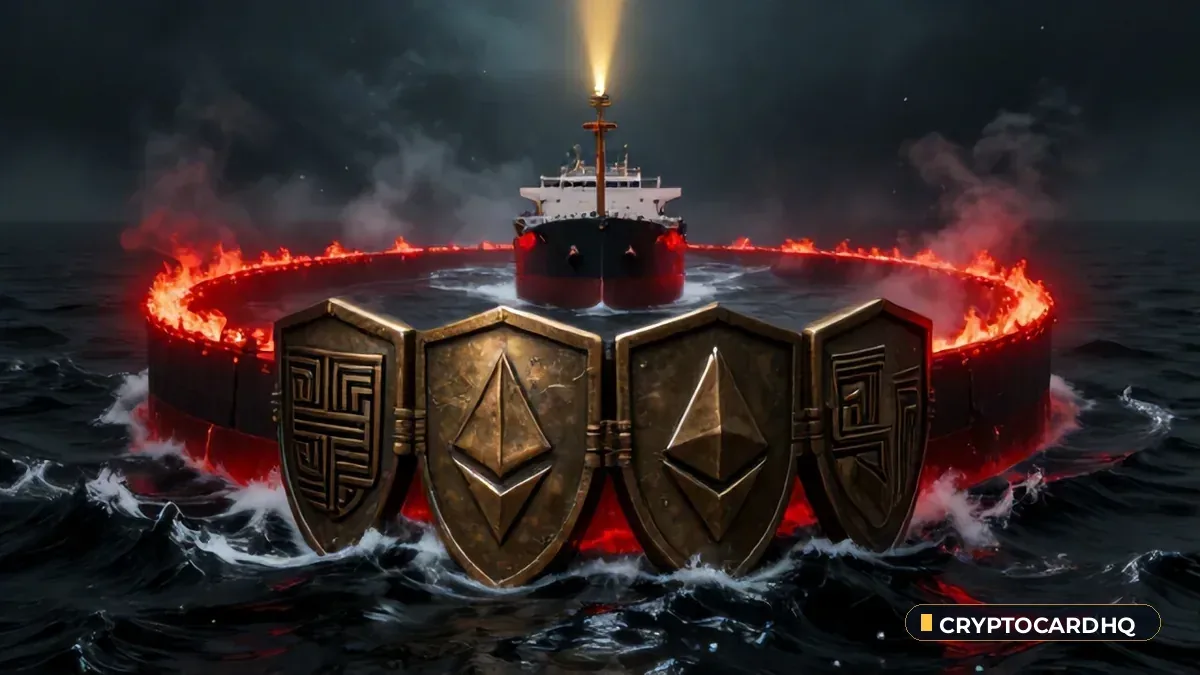
A sudden military and diplomatic realignment across the Red Sea corridor sent tremors through global financial desks this afternoon. A newly formalized Sunni defense alliance centered around Saudi Arabia, Turkey, Pakistan, and Egypt advanced with aggressive legislative speed. Turkish parliamentary ratification is scheduled this week, while Egypt’s parliament voted to formally authorize military defense of Saudi sovereign territory alongside the emergent coalition.
As the ink dries on the historic Mecca pact, geopolitical desks in Tel Aviv, Washington, and European capitals are scrambling to assess the balance of power. Israel’s defense and intelligence apparatus formally characterized the nascent Turkish-influenced pact as an escalating strategic threat, viewing the encirclement as a consolidated "Sunni ring of fire" that directly challenges Western and regional maritime navigation across vital chokepoints. With crude transit routes through the Bab el-Mandeb strait and Suez Canal caught in the crosshairs of sudden regional polarization, global risk assets experienced an immediate wave of defensive repositioning.
The 30-Second Executive Brief:
• The Catalyst: The formalization of the Mecca pact defense bloc uniting Saudi Arabia, Turkey, and Pakistan—backed by a decisive Egyptian parliamentary vote to defend Saudi soil and Turkish ratification scheduled this week. > • The Money Flow: Flight to institutional liquidity and protective cash reserves as sovereign risk premiums surge across Middle Eastern shipping channels and energy corridors.
• The Market Reaction: Broad defensive rotation dragging BTC down to $75,658.00 (-0.38% 24h) and ETH to $2,224.44 (-1.14% 24h) as market participants de-risk amid prevailing fear. > • The Invalidation Trigger: Diplomatic containment or non-deployment assurances that neutralize maritime transit friction in the Red Sea corridor.
Market Snapshot at Time of Reporting: At the time of reporting, BTC trades at $75,658.00 (-0.38% 24h | Range: $74,888.00 - $77,006.01), while ETH trades at $2,224.44 (-1.14% 24h | Range: $2,206.28 - $2,287.11) with broader market sentiment registering 28 (Fear).
The Immediate Market Timeline and Liquidation Cascade
The immediate fallout from the legislative momentum in Ankara and Cairo manifested as a sharp retreat across risk-on balance sheets. As news of the Egyptian parliamentary vote cleared wire services, algorithmic macro trading systems immediately priced in elevated supply-chain friction, freight re-routing overheads, and potential crude chokepoint blockades. Rather than rallying as a pure uncorrelated store of value, top cryptocurrencies tracked high-beta equities in a preliminary flight toward sovereign fiat liquidity.
Within the opening hours of the development hitting mainstream trading desks, Bitcoin slid through intraday support toward the bottom of its active range, touching $74,888.00 before clawing back up to consolidate near $75,658.00. Ethereum suffered sharper attrition, tumbling to an intraday floor of $2,206.28 before finding precarious footing at $2,224.44. The prevailing market tone has settled decisively into a defensive posture, with the Crypto Fear & Greed Index lingering at 28 (Fear).
Liquidity books thinned noticeably across major centralized order books. Bids retreated lower down the depth chart as algorithmic market makers widened their spreads to hedge against overnight headline volatility. While spot volumes absorbed the initial selling pressure without structural collapse, secondary altcoins and leveraged lending pools witnessed a swift withdrawal of hot capital. Speculators holding leveraged long exposure faced rolling margin calls as price bands contracted, setting up a perilous environment for traders attempting to catch falling knives.
The Mecca Pact Architecture: A Geopolitical Fault Line in the Red Sea
The diplomatic framework orchestrating this rapid regional militarization is known formally as the Mecca pact, as reported by OilPrice.com. Unlike temporary bilateral memoranda, this alliance represents an integrated mutual defense architecture combining the financial muscle of the Gulf, the expeditionary ground forces of Egypt, the advanced drone and industrial manufacturing capabilities of Turkey, and the nuclear-armed deterrent strength of Pakistan.
The legislative momentum backing the initiative indicates high-level synchronization. Egypt’s parliament took the extraordinary step of formally voting to authorize the deployment of armed forces to defend Saudi Arabian territorial integrity. This legislative mandate gives Cairo clear constitutional authority to project naval and aerial assets across the Red Sea and Gulf of Aden. Simultaneously, Ankara cleared the schedule for the Grand National Assembly to debate and ratify the defense treaty this week, signaling that Turkish naval presence in the eastern Mediterranean and Red Sea will coordinate directly with Gulf naval commands.
Israel’s security establishment reacted with profound alarm, identifying the strategic realignment as an existential recalculation of regional power balances. Analysts inside the Israeli defense sector described the emergent coalition as a formidable "Sunni ring of fire," shifting the regional threat matrix from non-state actors and Iranian proxies toward an organized, sovereign military bloc boasting sophisticated conventional warfare capabilities. The convergence of these four regional powers over the Red Sea shipping lanes effectively challenges existing maritime security arrangements maintained by Western naval task forces, setting off severe friction across international trading lanes.
Macro Ripples: Energy Corridors, Inflation, and Digital Asset Liquidity
To grasp why crypto markets shed value on military news in the Middle East, one must trace the plumbing of institutional dollar flows. The Red Sea is not an isolated regional waterway; it handles roughly 12% of global seaborne trade and a substantial fraction of refined petroleum and liquefied natural gas shipments heading toward European and Asian manufacturing hubs. When sovereign defense pacts reassert military control over narrow maritime choke points, international shipping syndicates raise maritime war-risk insurance premiums, or reroute vessels around the Cape of Good Hope.
Extended voyage times directly translate to higher bunker fuel consumption, tighter commercial fleet capacity, and an immediate upward spike in landed energy prices. Persistent energy inflation disrupts global central bank easing cycles. If crude logistics face prolonged disruptions, bond markets will quickly begin repricing benchmark interest rates higher for longer. This macroeconomic shift drains high-velocity speculative capital away from decentralized ecosystems. Similar macro crosscurrents were witnessed when digital asset valuations decoupled from regulatory headlines, as analyzed in our review of how the DeFi Sector Navigates Regulatory Crosscurrents as Total Value Locked Adjusts.
When capital costs rise and liquidity contracts, digital asset balance sheets encounter systemic strain. Institutional treasury managers facing higher debt financing costs choose to trim risk positions rather than expand speculative crypto holdings. The Mecca pact represents an energy supply shock mechanism capable of stalling monetary easing programs across the G7 economies, maintaining tight liquidity conditions that stifle sustained crypto expansion.
Strategic Figures and Operational Realignment
The following breakdown illustrates the operational shift generated by the formalization of the Mecca pact and its immediate financial and systemic consequences:
| Operational Dimension | Historical Baseline (Pre-Pact) | Mecca Pact Structural Shift | Strategic Market Impact |
|---|---|---|---|
| Regional Military Command | Fragmented bilateral agreements; heavy reliance on Western naval security patrols. | Integrated multi-nation Sunni defense bloc with mutual defense obligations. | Heightened jurisdictional conflict over maritime transit rules and patrol jurisdictions. |
| Egyptian Security Posture | Defensive focus concentrated on the Sinai Peninsula and direct sovereign borders. | Parliamentary authorization to project armed forces in defense of Saudi soil. | Direct Egyptian naval control over access vectors connecting the Suez Canal and Red Sea. |
| Turkish Strategic Footprint | Bilateral base deployments; localized influence in northern Syria and Libya. | Formal defense treaty facing parliamentary ratification this week. | Integration of advanced Turkish drone, naval, and missile assets into Gulf defensive lines. |
| Regional Threat Perception | Focus primarily directed toward Iranian proxy networks and non-state militias. | Israeli security categorizes the coalition as a sovereign "Sunni ring of fire." | Structural reassessment of diplomatic accords and defense spending across the Levant. |
| Crude & Shipping Freight Risk | Standard commercial war-risk premiums with localized security surcharges. | Escalated sovereign risk repricing across primary maritime energy lanes. | Upward pressure on global freight rates and renewed inflationary impulses in energy. |
| Digital Asset Market Posture | Neutral-to-bullish speculative positioning on monetary easing expectations. | Crypto Fear & Greed Index down to 28; immediate range contraction in BTC and ETH. | Capital flight into high-liquidity fiat cash and defensive short-duration sovereign paper. |
Strategic Implications, Structural Risks, and Protocol Hazards
While headline writers focus on military rhetoric, the deeper financial risk lies in the second-order economic fractures this alliance creates. The most immediate vulnerability involves sovereign balance sheet realignments. Pakistan’s formal accession to a Saudi-centric mutual defense treaty solidifies substantial financial backstops from Riyadh, yet introduces profound geopolitical volatility into South Asian security arrangements. If joint military exercises or naval deployments commence along the Red Sea coast, regional tensions could rapidly spill over into conventional standoffs.
Additionally, the Turkish-Egyptian rapprochement within this defense umbrella represents a historic reversal of a decade of diplomatic estrangement. By uniting the region’s largest conventional armies under a mutual defense doctrine, the signatories create a counterweight capable of resisting external regulatory or geopolitical coercion. This autonomy extends to energy settlement currencies and cross-border trade rails. The long-term trajectory points toward regional settlement mechanisms insulated from Western sanctions architectures, accelerating parallel banking infrastructure.
For digital asset participants, this fragmentation presents both hazards and opportunities. When sovereign jurisdictions weaponize financial access or alter trade routes, non-sovereign cryptographic networks emerge as neutral settlement rails. However, the short-term reality is dictated by liquidity extraction. In moments of acute geopolitical uncertainty, decentralized protocols experience an evaporation of secondary automated market-maker liquidity. Smart contracts designed around stable interest rate assumptions face stress when underlying collateral values fluctuate rapidly, as institutional players pull back liquidity provision to preserve physical cash balances.
Crypto Cards, Stablecoin Settlement, and Everyday Spending Realities
For everyday cryptocurrency users holding digital asset payment cards, global geopolitical shocks in maritime trade routes carry immediate, tangible consequences. The primary transmission vector is cross-border foreign exchange spreads and merchant settlement latency. As global energy prices face upward pressure from Red Sea tensions, commercial banks and card settlement networks often widen the underlying FX spreads charged on cross-currency debit conversions.
Users of crypto debit and credit cards should anticipate higher dynamic conversion spreads when transacting across multi-currency merchant terminals. When fiat currency volatility surges alongside sovereign risk, card-issuing banks pass international clearing surcharges down to end consumers. For cardholders traveling internationally or purchasing goods settled in foreign fiat currencies, these invisible friction points can quickly erase the standard 1% to 3% crypto cashback rewards typically earned on everyday purchases.
Maintaining stablecoin liquidity reserves is paramount during periods of heightened macro volatility. Cardholders who fund their daily spending balances via volatile assets like Bitcoin or Ethereum face severe balance degradation during sudden market pullbacks. If an asset drops several percentage points in a matter of hours, an automated daily spending card linked directly to a spot balance executes liquidation at unfavorable local bottoms. To insulate personal liquidity against geopolitical flash crashes, experienced users convert designated spending allowances into fiat-pegged stablecoins like USDC or USDT.
To discover card providers that offer automated zero-fee stablecoin balances, competitive cross-border conversion tiers, and robust liquidity protections during macro drawdowns, read our Best Crypto Cards guide. Tracking overarching macroeconomic developments is equally vital for cardholders, making regular check-ins with our Crude Oil & Middle East Macro News category essential for managing treasury exposure.
Beyond payment cards, decentralized finance protocols undergo their own structural tests during geopolitical flight-to-safety rotations. Automated market makers often suffer from one-sided liquidity drains as users swap volatile tokens for dollar-backed assets. These liquidity shifts can cause temporary de-pegs on yield-bearing synthetic instruments, impacting automated card auto-refill triggers. Users relying on automated yield yields to fund recurring subscription payments or card balances should review their collateral ratios immediately, ensuring their liquidation buffers are sufficiently wide to survive extended macro market consolidation.
Catalysts and What to Watch Next
The trajectory of this crisis over the next 24 to 72 hours will depend on specific diplomatic and military milestones across multiple regional capitals:
- Turkish Parliamentary Vote: The scheduled debate and ratification of the Mecca pact in the Grand National Assembly in Ankara will reveal the exact operational scope and military commitments pledged by Turkey.
- Naval Deployment Announcements: Any official announcements regarding joint naval patrols, shared naval base access along the Red Sea coastline, or coordinated air defense drills between Egypt, Saudi Arabia, and Turkey.
- Israeli Security Cabinet Response: Official diplomatic and defense policy shifts announced by Tel Aviv in response to what its intelligence apparatus has branded the "Sunni ring of fire."
- Energy Benchmark Spread Reactions: Tracking spot pricing and backwardation across Brent crude, West Texas Intermediate, and European natural gas benchmarks to evaluate the depth of physical supply disruption.
- Cryptocurrency Liquidity Reclamation: Monitoring Bitcoin’s capacity to defend its local range low of $74,888.00 and reclaim psychological levels, alongside Ethereum’s defense of the $2,206.28 support boundary amid prevailing fear sentiment.