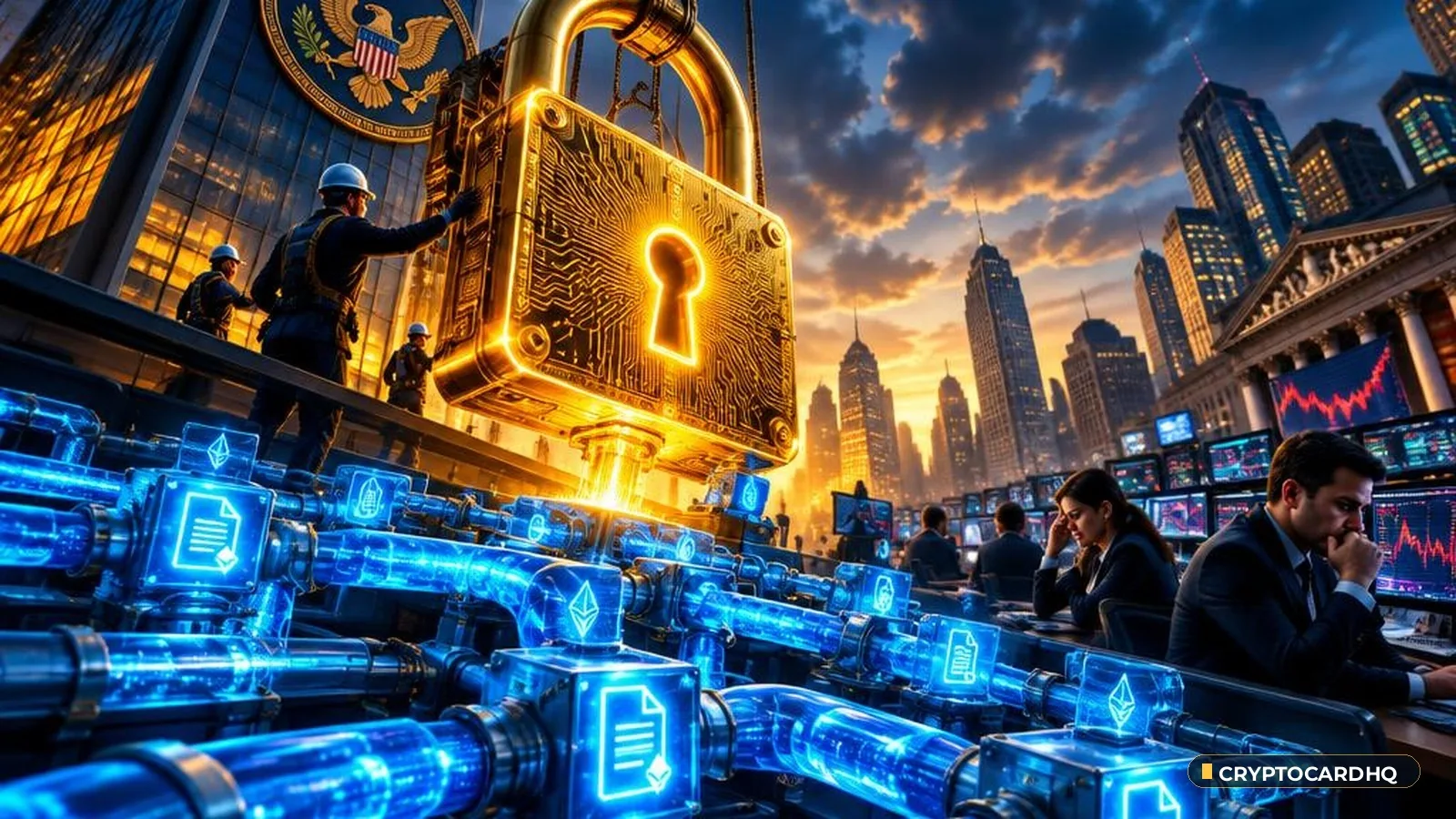

A serious supply-chain failure has breached the outer defenses of hardware wallet security, laying bare thousands of customer shipping manifests that connect residential street addresses directly to self-custody cold storage users. Hardware wallet manufacturer Trezor officially confirmed an unauthorized intrusion at its third-party logistics and parcel fulfillment contractor, Skladon. The breach compromised personal details linked to roughly 27,000 customer orders, triggering an immediate security escalation across the decentralized custody sector.
Hardware wallets store cryptographic keys offline inside specialized microchips, but logistics databases leak the privacy that shields cold storage operators from physical harm. By dumping customer names, phone numbers, home delivery coordinates, and purchase confirmations into illicit hacker hubs, this breach provides malicious actors with an actionable blueprint for targeted digital phishing schemes and physical home-invasion threats.
The 30-Second Executive Brief:
• The Catalyst: Hardware wallet maker Trezor confirmed a third-party security breach at fulfillment partner Skladon that compromised roughly 27,000 customer order records. > • The Money Flow: The breach occurred on Nov. 7, exposing physical shipping manifests, buyer names, and delivery records to unauthorized external actors without compromising on-chain cryptographic seed phrases.
• The Market Reaction: Broad digital asset sentiment sits paralyzed at an extreme fear reading of 10, with Bitcoin trading tightly in the $64,000 range amid mounting operator anxieties over physical targeting and phishing campaigns. > • The Invalidation Trigger: Direct customer notification audits and verification that compromised fulfillment databases did not share live API links with Trezor internal firmware signing keys or active e-commerce billing engines.
Market Snapshot at Time of Reporting: At the time of reporting, BTC ($64,791.60, -0.25% 24h | Range: $63,905.01 - $65,696.16) with broader market sentiment registering 10 (Extreme Fear).
Anatomy of the Logistics Intrusion: Inside the Skladon Incident
The unauthorized intrusion occurred on Nov. 7 when digital intruders penetrated internal networks managed by Skladon, an external logistics and parcel warehousing contractor engaged by Trezor to run regional and international deliveries. As reported by Bitcoin.com, the breach circumvented Trezor's primary internal infrastructure, striking an external touchpoint positioned along the physical distribution chain.
Third-party shipping vendors routinely handle plain-text delivery rosters to clear customs clearances, interface with local couriers, and generate automated tracking manifests. When attackers compromised Skladon's internal systems, they extracted an export file containing approximately 27,000 individual customer records. These files document legal buyer names, complete physical street addresses, contact email addresses, mobile phone numbers, consignment numbers, and inventory line items confirming that a physical cryptocurrency cold storage device was shipped to that exact doorstep.
Trezor's firmware and cryptographic architecture ensures that recovery seeds, device firmware signatures, and private keys are generated entirely offline on the physical microcontroller itself. These cryptographic secrets never contact outside fulfillment software. Even so, the operational leak leaves behind an indelible mark: criminal syndicates now hold an explicit directory of 27,000 private dwellings where self-custodied cryptocurrency assets are almost certainly held.
Market Fragility and the Shadow of Supply-Chain Threats
This security disruption hits right as the broader market battles fragile liquidity and strained nerves. Bitcoin trades near $64,791.60 while fear gauges register a depressed score of 10. Macroeconomic headwinds and institutional capital rotations have kept market participants guarded for weeks; as analyzed in $1.26 Billion Gone in 6 Days: What Bitcoin's Biggest ETF Outflows Mean, institutional desks have pulled back into defensive cash positioning, amplifying the emotional weight of retail operational vulnerabilities.
Supply-chain compromises present an uneven risk profile against decentralized asset holders. If a software protocol suffers an exploit, engineering teams can coordinate validator hard forks, deploy emergency patches, or upgrade smart contract logic. Personal identification records cannot be reset. A residential home address cannot be refreshed like an expired session token or rotated like a compromised API secret. Once a malicious actor ties a homeowner's legal identity to a hardware custody parcel, that physical exposure remains an enduring reality.
The cryptocurrency sector carries painful scars from similar operational vulnerabilities. Ledger's extensive 2020 e-commerce data breach exposed over 270,000 customer records, triggering years of aggressive SIM-swap attempts, counterfeit replacement hardware mailed directly to victims' living rooms, and unsettling extortion letters demanding ransoms under threat of bodily harm. The Skladon incident proves that despite repeated warnings and public security audits across the industry, third-party logistics integrations remain an exposed weak link across the self-custody landscape.
Operational Breakdown: The Skladon Fulfillment Compromise
Assessing the true danger of this incident requires separating cryptographic device integrity from physical logistics data exposure. The following operational matrix breaks down the compromised surfaces, attack vectors, and necessary defensive responses:
| Security Dimension | Pre-Incident Standard | Skladon Breach Status | Operational Threat & Strategic Impact |
|---|---|---|---|
| Private Key & Seed Phrase Security | Offline, isolated on device Secure Element / micro-controller | Fully Uncompromised | Zero cryptographic loss. Private keys remain secure offline; funds cannot be swept remotely via this leak alone. |
| Physical Shipping Coordinates | Held in active logistics fulfillment pipeline for parcel dispatch | Compromised (~27,000 records) | Severe real-world hazard. Adversaries possess residential addresses linked directly to verified self-custody owners. |
| Customer Contact Profiles | Retained by third-party courier APIs for SMS/email tracking updates | Compromised (Names, emails, phone numbers) | Extreme phishing danger. Enables high-fidelity spear-phishing campaigns mimicking official Trezor security firmware updates. |
| Third-Party Logistics Architecture | Outsource partner Skladon integrated for storage & transit | Breach identified (Incident date: Nov. 7) | Vendor counterparty risk. Demonstrates vulnerability of relying on standard e-commerce logistics providers for high-stakes custody hardware. |
| Operational Countermeasures | Standard automated notification protocols | Emergency customer advisories & partner audit | Immediate requirement for affected users to implement multi-signature setups, duress passphrases, and defensive digital perimeters. |
Threat Vectors: Phishing Traps, Poisoned Packages, and Physical Assault
The practical threats facing the 27,000 impacted buyers fall into three distinct attack categories that will likely materialize over coming weeks:
1. High-Fidelity Spear-Phishing and Impersonation
Expect organized cybercrime groups to launch automated phone, SMS, and email lures that weaponize genuine order timestamps, real customer names, and exact shipping references pulled from the Skladon database. These messages create artificial panic, telling victims: *"Your Trezor unit has been recalled due to an urgent manufacturing flaw. Install security update package v2.9 immediately to prevent device corruption."*
Victims who open these links land on cloned interfaces built to trick them into entering their 12- or 24-word recovery seeds. Users must remember one absolute rule: Trezor hardware devices and desktop client suites never prompt for a seed phrase inside an email body, text message, or browser window.
2. Malicious Hardware Drop-Shipping (Trojan Wallets)
Armed with verified residential street addresses, criminal crews have previously bought factory packaging, inserted tampered units fitted with malicious flash controllers or pre-configured seed recovery sheets, and shipped these packages straight to targets disguised as official warranty replacements. The enclosed letter directs the buyer to scrap their current hardware and transfer all balances onto the fresh unit. Anyone who configures an unsolicited piece of hardware hands their portfolio balance straight to the attackers.
3. Physical Duress and Home Invasions
In information security, the classic "$5 wrench attack" describes a scenario where an attacker bypasses cryptographic defenses entirely by using brute force, physical trespass, or home entry to compel a victim into unlocking their wallet. The Skladon breach hands bad actors an indexed, geographically sorted inventory of likely cryptocurrency owners organized by neighborhood and postal code. While far less common than automated digital scams, predatory crews routinely cross-reference shipping leaks against public real estate databases, municipal deed filings, and social media accounts to single out high-net-worth targets.
To protect private wealth against both digital smart contract drainers and physical threats, investors must proactively harden their operational practices, as explained in our Bitcoin Security Guide: Revoke Dangerous Contract Permissions.
Crypto Cards & Everyday Spending Analysis
For digital currency owners who actively pay for daily expenses using Visa and Mastercard payment rails, the Skladon breach changes the risk calculation around cardholder privacy, transaction routing, and personal cash flow management. Crypto debit cards provide a practical bridge linking decentralized reserves with everyday merchant terminals, yet they also form an effective privacy barrier when set up thoughtfully.
Decoupling Everyday Spending from Primary Cold Reserves
The central lesson of any hardware wallet logistics leak is the vital need for operational segmentation. Never load a retail payment card directly from a primary cold storage address that shares identity details with an exposed home shipping record. If opportunistic hackers trace on-chain transactions from an address linked to a leaked shipping profile, monitoring transfers straight into a regulated crypto card exchange account gives them a clear look into your overall net worth.
Smart operators use intermediate staging accounts to move capital toward payment cards. To explore trusted providers that maintain strict identity isolation, clear spending velocity controls, and discrete multi-asset wallet balances, read through our Best Crypto Cards guide. Choosing payment cards that issue disposable virtual numbers, dynamic CVV security codes, and self-custodial funding mechanisms reduces your exposure if your legal name surfaces inside a commercial shipping database.
Card Spending Limits and Emergency Liquidity Safeguards
If you ever face an active physical security hazard, targeted harassment, or extortion attempt, crypto debit cards double as an emergency financial pressure valve. Users confronting coercion or home safety threats can manage risk by utilizing payment cards configured with tight daily transaction caps and mandatory biometric confirmation steps.
By securing core wealth behind multi-signature quorums or hidden passphrase accounts while holding only modest working funds on consumer payment cards, you dramatically restrict the capital an extortionist can extort during a home intrusion. For ongoing coverage tracking digital currency policy shifts, regulatory mandates, and institutional payment developments, browse our dedicated Bitcoin News category.
Catalysts & What to Watch Next: The 48-Hour Survival Checklist
As forensic reviews into Skladon's technical security posture proceed, impacted customers and self-custody operators should take immediate protective actions:
- Check Direct Trezor Communications: Trezor's incident response team is dispatching formal notifications directly to the specific ~27,000 customers documented in the compromised Skladon database. Check the email account tied to your original purchase, and treat any unexpected correspondence asking for account credentials or verification seeds with severe suspicion.
- Turn On a BIP-39 Passphrase (The 25th Word): If your Trezor unit was shipped to your home address, activate an optional BIP-39 passphrase immediately. A passphrase acts as an invisible cryptographic partition, generating an entirely independent wallet structure that cannot be viewed or verified without entering the exact phrase. This leaves the device looking empty or holding minimal decoy funds if someone forces you to enter your primary device PIN.
- Migrate Core Funds to Multi-Signature Storage: Substantial capital reserves should not sit inside single-signature hardware wallets tied to public home delivery records. Move primary balances to a collaborative multi-signature vault (such as a 2-of-3 quorum built with hardware keys from different manufacturers ordered through separate channels).
- Clean Up Future Shipping Practices: Going forward, never ship self-custody hardware directly to your private home under your legal personal name. Use commercial package drop-off lockers, private mailboxes, or commercial office addresses, and place orders using secondary contact numbers and dedicated email aliases.