
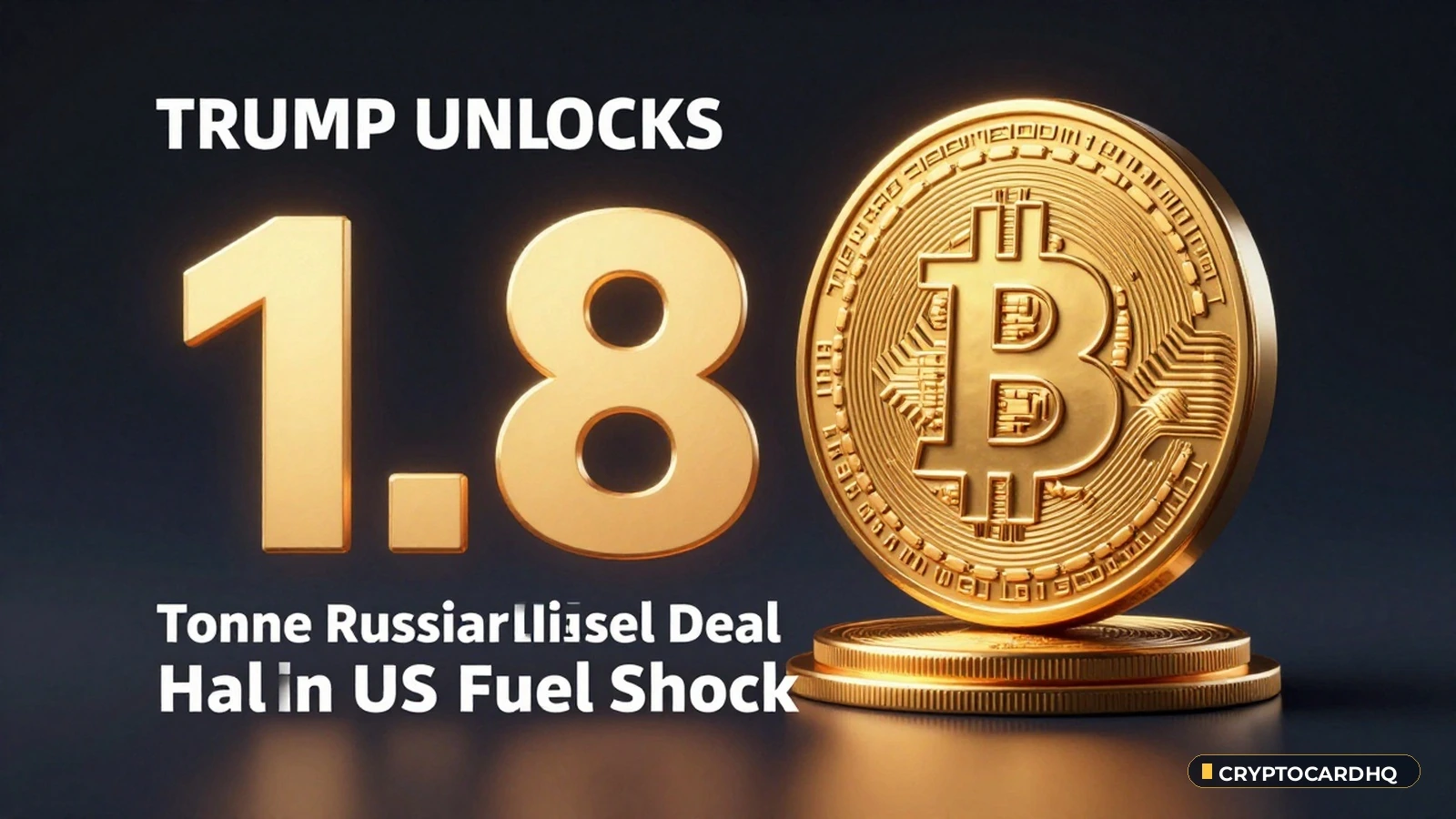
Donald Trump has made a sudden geopolitical turn, securing a direct bilateral deal for the Russian Federation to ship 300,000 tonnes of diesel immediately to head off acute fuel shortages and runaway pump prices across the United States. Under the emergency pact, an additional 1.5 million tonnes of refined Russian distillate will follow in subsequent shipments. The move cuts right through years of Western sanctions orthodoxies and transatlantic energy diplomacy.
This emergency channel materialized because fighting around Iran flared up, choking maritime choke points, imperiling regional refining infrastructure, and sending severe tremors through global oil and distillate supply lines. In Washington and across international trading desks, diverting Russian refined petroleum to North American receiving terminals represents an aggressive tactical pivot. The goal is simple: stop runaway transport fuel inflation before high shipping bills break broader commercial activity.
The 30-Second Executive Brief:
• The Catalyst: Donald Trump announced an immediate bilateral supply deal for 300,000 tonnes of Russian diesel, with an additional 1.5 million tonnes scheduled to follow, aimed at halting severe domestic price spikes fueled by the Iran conflict. > • The Money Flow: Reallocation of energy capital toward direct Russian distillate imports, bypassing traditional multilateral sanctions barriers to steady US commercial freight networks.
• The Market Reaction: Global macro desks reassessed cross-commodity inflation hedges while Bitcoin traded steadily within an intraday band of $81,603.52 to $83,528.98 as traders weighed near-term fuel relief against structural geopolitical realignments. > • The Invalidation Trigger: Bipartisan congressional action blocking port offloading, retaliatory maritime interdictions near Russian Baltic or Black Sea export docks, or renewed military clashes shutting Atlantic sea lanes.
Market Snapshot at Time of Reporting: At the time of reporting, BTC ($82,367.51, +0.76% 24h | Range: $81,603.52 - $83,528.98) with broader market sentiment registering 59 (Greed).
The Emergency Fuel Corridor: 1.8 Million Tonnes of Russian Distillate
First reported by Al Jazeera Middle East, the core mechanism of the pact involves an immediate cash-and-carry delivery of refined distillate aimed straight at draining commercial inventories. The starting shipment of 300,000 tonnes acts as an immediate stopgap for coastal fuel farms that have been bleeding barrels as Middle Eastern exports dried up.
The follow-on pipeline of 1.5 million tonnes scales this into a massive physical operation. Distillate fuel runs the real economy: heavy trucks, grain combines, locomotives, and container ships all burn it. When military strikes and regional threats around Iran snared tanker traffic through vital maritime straits, refining crack spreads blew out overnight. The White House decided to step around formal diplomatic embargoes because pump prices were climbing fast. Domestic political and economic survival took the driver's seat, leaving multilateral sanctions solidarity behind.
Traders had already spent days watching raw price swings rip through physical fuel benchmarks. As covered in CryptoCardHQ's analysis of Middle East conflict contagion, sudden shocks to global energy hubs force immediate cross-asset balance sheet realignments. Spiking input costs squeeze consumer discretionary budgets while simultaneously prompting defensive capital rotations toward hard digital collateral.
Refining margins for ultra-low sulfur diesel had surged to multi-year highs before this intervention. Gulf Coast refiners were already running flat-out with little spare capacity left to plug the gap left by missing transatlantic imports, especially as European buyers redirected their own stockpiles to replace lost Persian Gulf crude. Committing 1.8 million metric tonnes—roughly 13.5 million barrels of refined product—injects real physical supply into prompt delivery contracts. That volume takes the air out of speculative hoarding at fuel hubs from New York Harbor down to the Houston Ship Channel.
Cross-Asset Transmission and the Liquidity Channel to Digital Assets
When the Russian diesel headlines crossed Bloomberg and Reuters terminals, macro desks parsed conflicting signals. Energy contracts whipsawed immediately. On one hand, 1.8 million tonnes of prompt supply takes the immediate heat out of the cash market. On the other hand, cutting an emergency bilateral deal with Moscow highlights just how fragile global energy flows became once the Iran conflict escalated.
Institutional execution desks saw the transmission sequence unfold in clear stages:
- 1At the initial headline, physical product benchmarks repriced crack spreads lower, prompting systematic commodity funds to lighten up on energy longs.
- 2Within fifteen minutes, macro research groups adjusted near-term inflation models, paring back projections for freight-driven headline CPI increases.
- 3By forty-five minutes post-announcement, crypto liquidity venues saw steady spot accumulation. Bitcoin stayed supported above $82,000 as systemic margin calls in macro funds eased.
- 4Within ninety minutes, pushback from congressional leaders and European diplomats surfaced, pricing an execution discount right back into outer-month energy futures.
Crypto markets held up with notable poise, absorbing the geopolitical headlines without breaking technical structure. Unlike past energy shocks that triggered broad liquidity drawdowns, the prospect of prompt fuel relief provided breathing room for systematic desks tracking inflation risk. Order books did not fold. Spot bids defended critical levels, keeping Bitcoin firmly planted north of $82,000.
This reaction mirrors patterns seen during earlier supply panics. As detailed in CryptoCardHQ's reporting on energy volatility and price rebounds, whenever tangible intervention halts a vertical surge in fossil fuels, digital assets often detach from broad risk-off selling, allowing organic spot accumulation to take the lead.
When diesel runs wild, real yields get squeezed and institutional desks shed risk to meet collateral demands. By taking the top off the diesel spike, this emergency fuel pipeline prevented an aggressive hawkish repricing of short-term interest rates. That kept macro liquidity channels open, directly sustaining spot digital asset demand.
Geopolitical Realignment and the Fracturing of Sanctions Frameworks
Clearing Russian refined product into American harbors breaks policy precedents that have stood since 2022. For years, G7 price caps, European maritime bans, and US Treasury rules worked to cut off Russian hydrocarbon revenue. Taking 300,000 tonnes up front with 1.5 million tonnes queued up behind it signals that domestic pump prices now outweigh foreign policy isolation strategies.
That creates immediate tension with long-time allies. European nations absorbed immense economic hits to replace Russian piped natural gas and seaborne distillates with expensive overseas LNG. Now they find Washington buying Russian diesel directly to protect American drivers and truckers. This reality threatens maritime sanctions compliance and creates massive compliance headaches for commercial tanker owners, maritime insurers, and international trade banks.
The root driver—military escalation involving Iran—shows how brittle just-in-time commodity networks really are. With the Persian Gulf and the Strait of Hormuz carrying wartime insurance surcharges, North American refining capacity simply could not manage the shortfall alone. The White House took an uncomfortable diplomatic detour because energy inflation remains the quickest way to lose domestic public support.
For sovereign currency desks, this maneuver also accelerates the shift toward ad-hoc bilateral settlements. Striking direct bilateral pacts to fix local supply crunches demonstrates that physical energy needs override international compliance structures when core supply lines crack. That reality reinforces the core investment thesis for neutral, borderless monetary networks. Bitcoin exists completely outside sovereign jurisdictional mandates, and its underlying ledger cannot be bent by executive orders.
Structural Metrics and Operational Policy Comparison
To grasp how thoroughly this maneuver alters physical flows and policy baselines, the table below compares previous sanctions conditions with the new bilateral arrangement:
| Structural Metric | Sanctions Baseline (2022–Mid 2026) | Emergency Russian Pact | Strategic Market Impact |
|---|---|---|---|
| Initial Volume Injection | 0 tonnes (Strict import prohibition) | 300,000 metric tonnes | Supplies immediate physical product to coastal storage tanks. |
| Secondary Supply Pipeline | Prohibited from US terminal offloading | 1,500,000 metric tonnes | Adds medium-term diesel supply, capping intermodal freight costs. |
| Core Geopolitical Driver | Universal enforcement of energy embargoes | Escalating Middle East & Iran war | Sets sanctions compliance aside to counter domestic transport fuel inflation. |
| Sanctions Regime Integrity | Coordinated G7/EU maritime price caps | Unilateral executive circumvention | Strains European diplomatic cohesion and accelerates alternative trade rails. |
| Domestic Inflation Vector | Unchecked diesel spikes driving retail CPI | Direct physical supply capping | Calms near-term price pressures on long-haul trucking and logistics. |
| Bitcoin Structural Trend | Exposed to macro liquidity tightening | Rangebound ($81,603 – $83,528) | Consolidates firmly while absorbing global macroeconomic volatility. |
| Treasury & OFAC Alignment | Secondary sanctions enforcement across ports | Expedited executive waivers required | Sparks jurisdictional disputes between executive agencies and Congress. |
| Maritime Transport Routing | Diverted away from Russian terminals | Dedicated transatlantic corridors | Compresses insurance risk premiums for approved bilateral tanker voyages. |
Strategic Implications and Operational Execution Hazards
Announcing fuel is one thing; getting 1.8 million metric tonnes of Russian diesel pumped into domestic terminal racks is another. The primary bottleneck is statutory sanctions law. Over several years, lawmakers built an intricate web of secondary penalties covering any company that finances, insures, tugs, or unloads Russian oil cargoes. Without formal, airtight national security waivers issued by the executive branch, commercial shippers and port terminal operators will tread very carefully.
Then there is physical transit time. Even if tankers load tomorrow morning at Baltic terminals like Primorsk or Black Sea facilities, moving that product across the Atlantic to New York or the Gulf Coast takes weeks. During that transit window, unexpected naval posturing or counter-sanctions could easily leave vessels idling offshore.
For crypto markets, the bigger signal lies in what this means for interest rates and monetary policy. If 1.8 million tonnes of imported diesel caps distribution costs, central banks will not feel compelled to push policy rates deeper into restrictive territory. High energy prices drain households and businesses alike, drying up speculative investment flows. By forcing fuel prices lower through direct imports, the administration buys relief for consumer balance sheets—a shift that quietly supports baseline market liquidity.
Traders still need to watch headline execution risks closely. If federal judges grant injunctions backed by existing sanctions statutes, or if European maritime authorities contest tankers moving without standard G7 price-cap paperwork, the promised diesel could end up delayed or blocked. An abrupt breakdown of this supply conduit would immediately reignite the rally in crack spreads, spilling volatility right back into equities and digital assets.
Crypto Cards, Retail Liquidity, and Practical Takeaways for Holders
For everyday cryptocurrency users who cover household expenses with payment cards, sudden jumps in transport fuel hit wallets fast. Diesel costs ripple through the entire consumer supply chain: grocery prices, parcel shipping, rideshare fares, and everyday retail goods all adjust upward when fuel spikes.
When freight rates push retail prices higher, people transacting through products reviewed in our Best Crypto Cards guide face tighter real-world budgets. Managing debit card balances requires clear attention during inflationary stretches. As cash purchasing power declines at the pump, experienced cardholders adjust their payment setups, spending USD stablecoin balances rather than liquidating their core Bitcoin stash into daily expenses.
Ongoing market developments covered in our Bitcoin News section reveal that periods of macro stress make card rewards programs far more practical. Earning 2% to 8% in crypto rewards allows card users to soften the blow of fuel surcharges while stacking satoshis during sideways market phases. A steady diesel market also limits the surprise merchant markups that often hit cross-border travelers and digital workers spending crypto on global payment rails.
To preserve buying power while markets digest these geopolitical headlines, cardholders can take several practical steps:
- Separate Speculative Holdings From Operational Spending: Keep dedicated stablecoin allocations for merchant debit payments instead of liquidating Bitcoin on the fly, avoiding panic sales at short-term support levels.
- Use Cashback to Stack on Dips: Channel automatic debit card rewards back into core digital assets during quiet consolidation ranges to grow your stack without spending fresh fiat.
- Watch for Lagged Logistics Surcharges: Keep in mind that delivery fees and passenger travel costs typically reflect diesel moves after a two- to four-week lag; locking in fixed expenses with crypto debit cards early helps avoid retail price creep.
Catalysts & What to Watch Over the Next 24 to 48 Hours
Traders should watch several concrete milestones to see whether this diesel pact delivers actual fuel or runs into a wall:
- 1OFAC and Treasury Sanctions Guidance: Formal general licenses or executive waiver notices from the Treasury Department allowing domestic ports, banks, and maritime workers to clear Russian petroleum vessels.
- 2Congressional Pushback: Statements and emergency bills introduced on Capitol Hill seeking to bar Russian-origin distillate cargoes from discharging at American docks.
- 3Tanker Fixtures and AIS Tracking Data: Marine satellite verification showing Aframax and Suezmax tankers actually loading product at Russian export docks and setting courses across the Atlantic.
- 4Middle East Escalation Metrics: Fresh developments in the Persian Gulf conflict, where any additional damage to regional refineries or tanker routes could instantly swallow the supply cushion from these Russian shipments.
- 5Bitcoin Range Defense: Market action showing whether Bitcoin holds above $82,000 or pushes through its intraday ceiling at $83,528.98 as macro traders calculate what this means for inflation down the road.