












Overview of the Best Crypto Cards in 2026
As the cryptocurrency ecosystem matures, crypto payment cards continue to evolve, offering unique blends of features, fees, and usability tailored to different user profiles. In 2026, the landscape remains diverse with no single card dominating all use cases. Whether you're a stablecoin spender, an Ethereum (ETH) holder focused on self-custody, a US resident, or a frequent traveler, there is a card designed to fit your needs—but understanding the tradeoffs is essential.
This guide compares leading crypto cards including RedotPay, KAST, MetaMask Card, ether.fi Cash, Nexo, Coinbase, Wirex, and Bybit, focusing on fees, cashback, country support, and real-world usability.
For more detailed reviews, see our in-depth RedotPay Review and KAST Review.
Key Takeaway: Choose a Card Based on Your Use Case and Priorities
There is no “one size fits all” in crypto cards. Fees, rewards, and supported regions vary widely, so the best card for you depends on whether you prioritize low fees, cashback, self-custody, credit features, or regional availability.
Crypto Card Comparison Table: Fees, Cashback & Key Features
| Card | Card Type | Supported Crypto | Fees (Issuance/ATM/FX) | Cashback / Rewards | Region Focus | Notable Features |
|---|---|---|---|---|---|---|
| RedotPay | Stablecoin Visa | USDT, USDC | Virtual $10, Physical $100 issuance; ATM fees apply | No formal cashback | Multiple (check eligibility) | Simple stablecoin spending app |
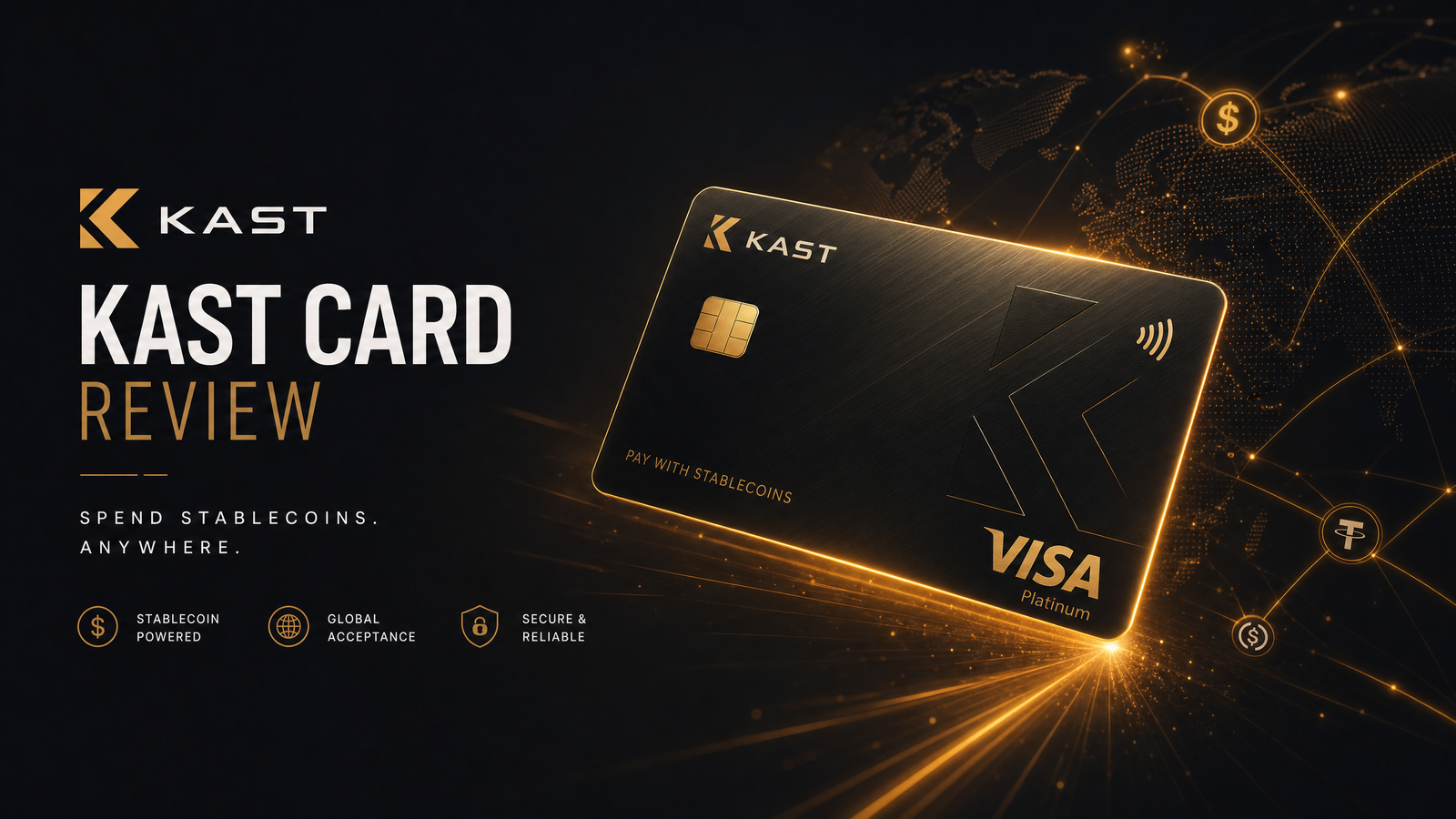
| KAST | Stablecoin | USD stablecoins | 0% top-up, 0% USD spend, 0.5-1.75% FX fees | Rewards program | Broad, with clear fees | Transparent fee structure |
| MetaMask Card | Self-custody | ETH and tokens in wallet | Fees detailed on official site | No fixed cashback | Global (depends on wallet/app) | Funds remain in wallet until spend |
| ether.fi Cash | Non-custodial DeFi | Multiple DeFi tokens | See official page | Up to 3% cashback | Global (Apple/Google Pay) | DeFi-native, non-custodial |
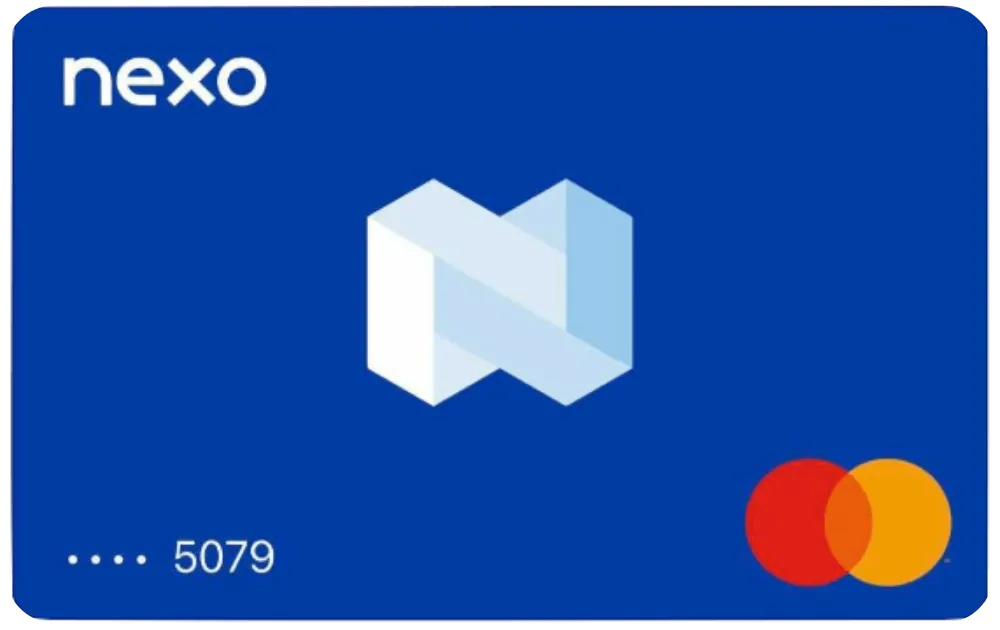
| Nexo Card | Dual credit/debit | Multiple (Nexo ecosystem) | Refer to official fees | Up to 2% cashback; up to 13% interest on holdings | Broad | Credit mode, interest earnings |
| Coinbase Card | Visa Debit | Coinbase-supported crypto | Zero spending fees; see official page | Crypto rewards | US-focused | Seamless Coinbase integration |
| Wirex | Visa | Crypto + fiat | Fee details on official page | Variable rewards | Multiple | Virtual + physical card options |
| Bybit Card | Crypto Visa | Multiple | Region-specific FX and conversion fees | Variable rewards | Multiple | Regularly updated fee and limits page |
Note: Always verify live fees, supported countries, and terms directly with card providers before applying, as crypto card programs can change rapidly.
Card Categories and User Profiles
Stablecoin Spending: KAST and RedotPay
For users whose primary need is straightforward stablecoin spending, KAST and RedotPay stand out.
- KAST offers a highly transparent fee structure with zero top-up, spend, and mobile wallet fees in USD, plus a modest FX fee on non-USD transactions (0.5-1.75%). Its rewards program adds value, making it ideal for stablecoin holders who want predictability and some cashback. The clear, easy-to-understand fee page is a strong plus.
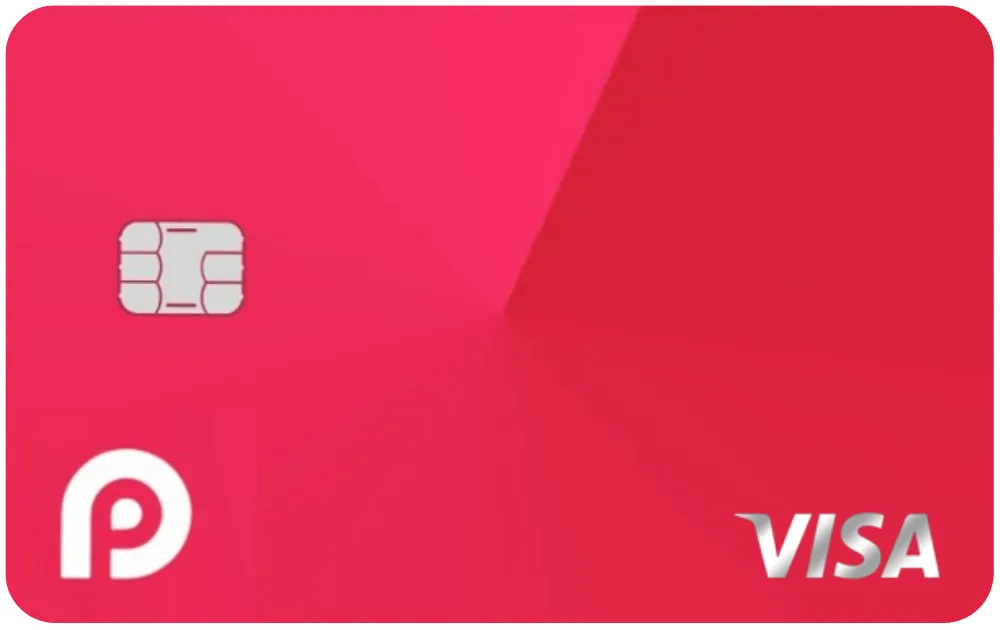
- RedotPay focuses on stablecoins USDT and USDC on a Visa network. It charges a $10 issuance fee for virtual cards and $100 for physical cards, with additional ATM fees. While these fees are higher, RedotPay’s simple, stablecoin-based payment app caters well to users wanting a straightforward experience without complex token management.
Both cards support multiple countries, but eligibility varies—check provider sites before applying.
Self-Custody and DeFi Enthusiasts: MetaMask Card and ether.fi Cash
Users committed to self-custody and decentralized finance (DeFi) should consider:
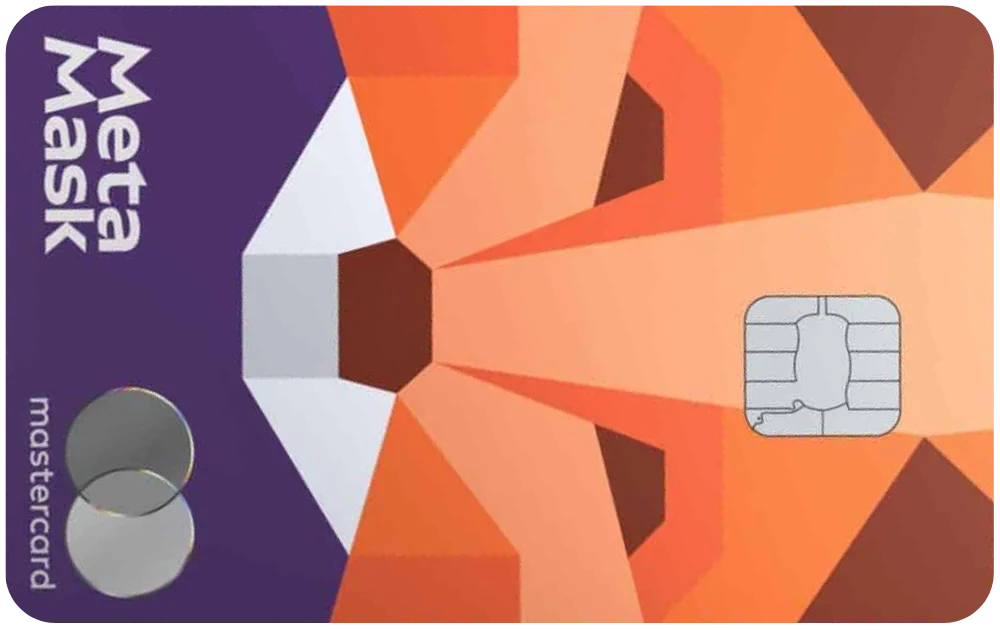
- MetaMask Card: Integrates directly with the MetaMask wallet, allowing funds to remain in your wallet until payment. This reduces custodial risk and enhances security. Compatible with Apple Pay and Google Pay, it offers convenience without compromising control. Fees vary; consult the official page for details.
- ether.fi Cash: A non-custodial DeFi-native credit card with up to 3% cashback. Supports Apple Pay and Google Pay. Designed for users who want to leverage DeFi ecosystems while maintaining control over assets.
These cards require some DeFi knowledge and comfort with self-custody management.
Credit Mode Users: Nexo Card
- Nexo Card offers a dual credit/debit function with up to 2% cashback and the opportunity to earn up to 13% interest on crypto holdings. It is suitable for users who want credit flexibility combined with rewards and interest earnings.
Users should carefully review the credit terms and interest conditions on Nexo’s official pages.
US Residents: Coinbase Card
- Coinbase Card is a US-focused Visa debit card with no spending fees and crypto rewards. It integrates seamlessly with Coinbase accounts, making it an excellent choice for US users already within the Coinbase ecosystem.
The card’s regional focus limits availability outside the US.
Multi-Region and Travel-Focused: Wirex and Bybit Card
- Wirex offers both virtual and physical Visa cards bridging fiat and crypto. It supports multiple regions but check fee details on their official page before committing.
- Bybit Card provides region-specific foreign exchange (FX) and crypto conversion fees. It offers virtual and physical card options with regularly updated fee and limit disclosures, making it suitable for users who transact across borders.
Real-World Use Considerations
When selecting a crypto card, consider not only fees and rewards but also:
- KYC Requirements: Some cards require full identity verification, which may affect privacy and application speed.
- Mobile Wallet Support: Apple Pay and Google Pay compatibility can ease everyday use.
- ATM Fees and Limits: Withdrawals can incur fees that erode value.
- Currency Conversion: FX fees apply when spending in non-USD currencies; these can be significant for travelers.
- Refund and Dispute Handling: Crypto transactions can be irreversible; understand each card’s policies.
Always check the most recent terms on the official card website, as crypto card programs evolve frequently.