










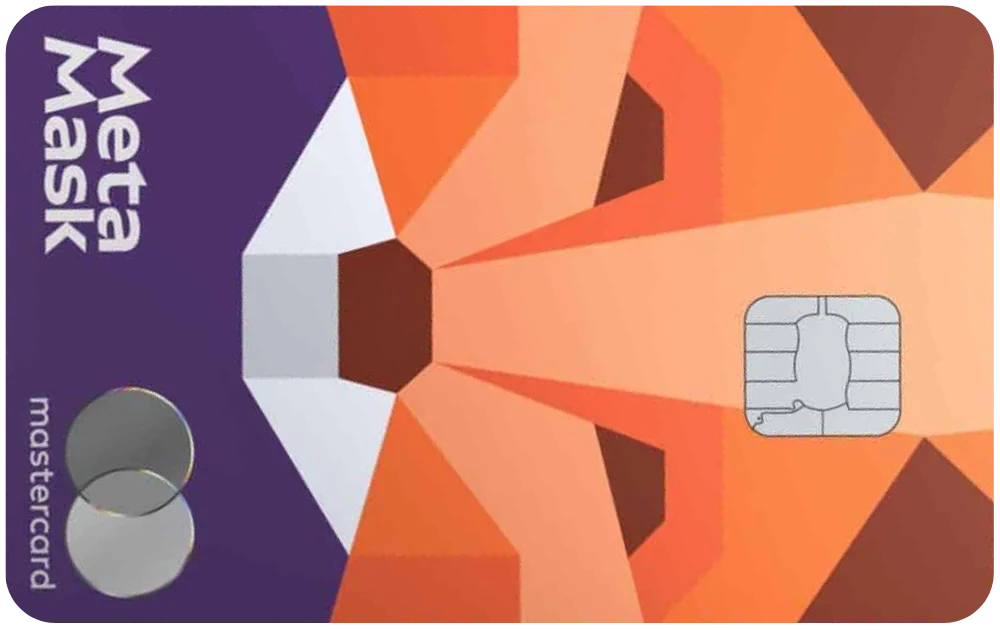










As cryptocurrency adoption grows in India, finding the best crypto cards in India for 2026 is essential for seamless and cost-effective crypto spending. Whether you want a _crypto debit card India_ for daily purchases, a _USDT card India_ to spend stablecoins, or a _virtual crypto card India_ for online transactions, this guide will help you navigate fees, rewards, availability, and safer spending practices.
Quick Verdict
The best crypto card in India is not necessarily the one with the highest advertised cashback. Instead, look for a card combining transparent crypto card fees India , verified availability for Indian residents, reliable KYC processes, and practical support for stablecoins like USDT. Cards that offer clean statement exports and predictable currency conversion costs are ideal for managing India’s complex tax environment. Test your preferred card with a small transaction before committing, and prioritize cards that solve payment challenges over flashy reward schemes.
Why India Needs a Country-Specific Crypto Card Guide
Global rankings of crypto cards often fail Indian users because they overlook local factors like residency restrictions, INR conversion fees, and tax-reporting challenges. A card that works superbly in the US or Europe may not be available or may incur prohibitive costs in India.
For Indian crypto users, the key questions are:
- Can I legally and easily apply for this card as an Indian resident?
- What are the total costs after INR conversion, ATM charges, and crypto-to-fiat conversions?
- Does the card support stablecoins like USDT that many Indian users prefer?
- Are the statements and transaction records clear enough to comply with Indian tax laws?
- Is customer support responsive and available in India?
Answering these ensures you choose a card that is practical, safe, and compliant—not just flashy.
Key Factors for Ranking the Best Crypto Cards in India
1\. Availability and KYC for Indian Residents
Many crypto card issuers restrict applications from users in India due to regulatory uncertainty or banking partnerships. It's crucial to verify whether the card issuer accepts Indian residents and supports Indian billing addresses. Some cards are accepted globally but do not onboard new Indian users.
2\. Real Fees After Currency Conversion
Low advertised fees or high rewards can be misleading if the card charges high foreign exchange (FX) fees or conversion spreads. Indian users should calculate the total effective cost, including:
- Crypto-to-fiat conversion fees
- Stablecoin spread (especially for USDT)
- FX markups for INR transactions
- ATM withdrawal fees and weekend FX surcharges
- Refund processing costs
3\. Funding Methods and Crypto Support
Crypto cards differ in how they handle your funds:
- Prepaid balances: You load fiat or stablecoins in advance.
- Instant conversion: Crypto converts at the point of sale.
- Credit-style cards: Borrow against crypto collateral.
Each model affects fees, spend limits, and accounting complexity differently.
4\. Rewards and Cashback
While rewards are attractive, many cards limit the maximum cashback or restrict rewards on certain merchant categories. The true net benefit depends on your spending habits and the fees you pay.
5\. Tax Record Practicality
India’s stringent tax rules around Virtual Digital Assets (VDA) mean that clean, exportable transaction statements are a must. Cards with poor recordkeeping can create accounting headaches and potential legal risks.
Best Crypto Cards in India 2026: Comparison Table
Card | Indian Resident Availability | Supported Crypto | Crypto Conversion Fee | FX Fee (INR) | ATM Withdrawal Fee | Max Rewards | Mobile Wallet Support | Stablecoin Spending |---|---|---|---|---|---|---|--- CryptoX Card | Yes (KYC Verified) | BTC, ETH, USDT | 0.75%–1.5% | 1.5% | ₹200 + 2% after ₹10,000/month | 2% Cashback (up to ₹1,000/month) | Google Pay, Apple Pay | Yes (USDT with 0.5% spread) StableSpend Card | Yes | USDT, USDC | 0.5% flat | 1.75% | Free up to ₹5,000/month, then ₹250 | 1.5% Cashback | Apple Pay only | Yes (USD stablecoins directly spendable) BitPay India | Limited (Invite Only) | BTC, ETH | 1.0% | 2.0% | ₹300 + 3% thereafter | 1% Cashback | Google Pay | No VirtualCoin Card | Yes | ETH, USDT | 1.25% | 1.5% | ₹150 per withdrawal | 2.5% Cashback (₹750 max) | Google Pay, Apple Pay | Yes (USDT only) ## Practical Tips for Using Crypto Cards in India
- Verify Indian residency support: Always check the issuer’s official website and try a small transaction before committing large amounts.
- Calculate total costs: Use INR-based conversion calculators including all fees to understand your effective spend.
- Use stablecoins judiciously: Cards supporting USDT or USDC reduce volatility risk but check for conversion spreads.
- Keep detailed records: Export transaction histories regularly for tax compliance, especially since India taxes crypto gains distinctly.
- Beware of refund complexities: Refunds on crypto cards can be slow and may incur conversion losses.
How to Choose the Best Crypto Card in India
Start with your primary use case:
- Daily spending: Look for cards with low FX fees and wide mobile wallet compatibility.
- Stablecoin usage: Choose cards that support USDT or USDC directly to avoid multiple conversions.
- Rewards maximization: Consider monthly caps and realistic cashback levels post fees.
- Tax compliance: Prioritize cards with exportable, clear transaction statements.
Compare your shortlisted cards on these criteria, then test with a small amount before full use.


