


Finding the best crypto cards in Morocco for 2026 requires careful consideration of local regulations, fees, and card features. While there is growing interest among Moroccan users for cards like _RedotPay Morocco_ and _KAST Morocco_ , the evolving legal environment and compliance requirements mean you should proceed with caution. This guide outlines the key factors to check before applying for a crypto card, including availability, costs, and safer alternatives such as RedotPay vs KAST.
Quick Verdict
For Moroccan users wanting a crypto card, KAST Morocco currently offers clear fees and a rewards program with low top-up and spending costs. RedotPay Morocco is an option for stablecoin users but has higher issuance fees and split cost information that requires verification. Given Morocco’s regulatory uncertainties, always verify your card’s legal status and compliance before applying, and consider virtual cards for added security.
Comparison Table of Popular Crypto Cards Available in Morocco (2026)
Feature | KAST Morocco | RedotPay Morocco | MetaMask Card |---|---|--- Card Type | Physical & Virtual | Physical & Virtual | Physical Issuance Fee | Free | Virtual: $10, Physical: $100 | Free Top-up Fee | 0% | Varies, check app | Depends on wallet funding Card Spend Fee (USD) | 0% | Varies by merchant | Cashback available Foreign Exchange Fee | 0.5% - 1.75% (non-USD) | Varies, often with currency conversion fees | Depends on Mastercard FX rates ATM Withdrawal Fee | Tiered fees starting low | Varies, check app | Depends on ATM network KYC Required | Yes, standard AML | Yes, standard AML | Yes, wallet linked Rewards Program | KAST Points by tier | None listed | Cashback Comparison of the best crypto cards in Morocco for 2026 — verify all fees on provider websites before applying (fees verified as of June 2026)
Understanding the Crypto Card Landscape in Morocco
The Moroccan crypto market is complex due to strict regulations. According to reports such as from Reuters, Bank Al-Maghrib is finalizing a crypto law draft that may impose further restrictions. This means that while crypto cards like _RedotPay Morocco_ and _KAST Morocco_ are accessible, their legality and acceptance may vary.
Users should be aware that:
- Crypto card legal Morocco: The legal status of crypto cards is uncertain and evolving. Always check the latest government guidance and the card issuer’s compliance statements.
- KYC and AML compliance: Most cards require Know Your Customer (KYC) verification, which involves submitting identity documents. This can be a sensitive process in Morocco due to privacy concerns and regulatory scrutiny.
- Card acceptance: Not all merchants or ATMs in Morocco may accept crypto cards. International use is generally more reliable.
Key Factors to Check Before Applying for a Crypto Card in Morocco
1\. Verify Card Availability and Supported Currencies
Not every crypto card provider supports Morocco either due to regulatory restrictions or operational decisions. Confirm if the card issuer explicitly serves Moroccan residents and supports fiat currencies relevant to you, such as MAD or USD stablecoins. For example, _KAST Morocco_ supports USD stablecoins with low fees, while _RedotPay Morocco_ emphasizes stablecoin payments but fees vary depending on currency.
2\. Understand All Associated Fees
Fees can significantly affect your cost of using a crypto card. Typical fees to monitor include:
- Issuance fees: RedotPay charges $10 for a virtual card and $100 for a physical card, while KAST offers free issuance.
- Top-up fees: KAST charges 0%, which is competitive. RedotPay’s fees vary, so checking the live help center is necessary.
- Transaction fees: KAST charges 0% on USD spends but applies a 0.5% to 1.75% foreign exchange fee on non-USD transactions. RedotPay transaction fees may depend on merchant category.
- ATM withdrawal fees: Both providers charge fees that depend on withdrawal amount and location; KAST publishes tiered fees.
_Note:_ Fees are subject to change; always verify with the latest provider information before applying.
3\. Check KYC and Verification Requirements
All reputable crypto cards require identity verification due to AML regulations. Moroccan users should be prepared to submit official IDs, proof of address, and sometimes additional documentation. Providers like KAST and RedotPay maintain standard KYC processes, but verifying the process upfront can help avoid delays or rejection.
4\. Assess Card Security and Virtual Card Options
For privacy and risk mitigation, virtual crypto cards are often safer. They limit exposure if card details are compromised and are easier to replace. Both KAST and RedotPay offer virtual crypto card Morocco options, with RedotPay charging a $10 issuance fee for the virtual card.
5\. Review Rewards and Incentives
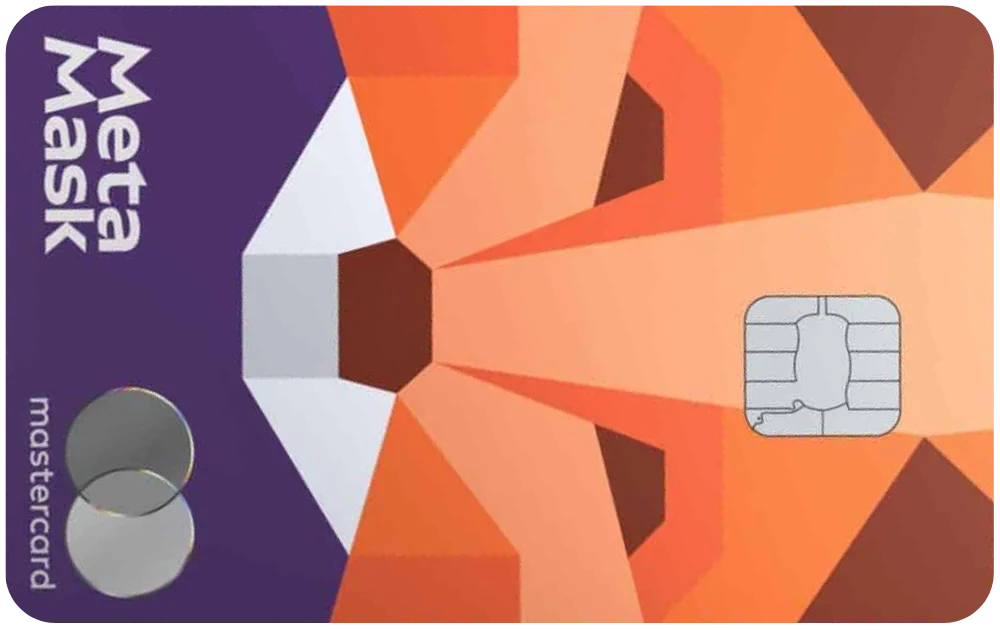
KAST offers a tiered rewards program called KAST Points, which can add value for frequent users. The MetaMask Card offers cashback incentives. RedotPay currently does not list rewards programs but caters to stablecoin holders seeking daily payment solutions.
Safer Alternatives and Additional Tips
If you have concerns about compliance or legal risks, consider these safer steps:
- Use wallets with linked crypto debit cards: Cards like the MetaMask Card link directly to your wallet and do not custody your funds.
- Opt for virtual cards: Reduce exposure by using virtual crypto card Morocco options that can be instantly canceled or reissued.
- Check for local exchanges and providers: Local providers may better understand Moroccan regulations and offer tailored compliance support.
- Stay updated on crypto card legal Morocco developments: Monitor official announcements from Bank Al-Maghrib and other regulators.
Summary: Which Crypto Card Should You Investigate First?
For most Moroccan users, KAST Morocco provides the clearest fee structure, a rewards program, and flexible card options without issuance fees, making it a strong starting point. RedotPay Morocco remains an alternative for users focused on stablecoin payments but requires careful review of split fees and legal status. Meanwhile, the MetaMask Card offers a wallet-linked approach with cashback perks and is worth considering for those familiar with MetaMask wallets.
Before applying, always:
- Check if the card issuer currently supports Moroccan residents.
- Review live fee information on the official provider websites or apps.
- Understand and prepare for KYC document requirements.
- Consider virtual cards for safer use.
- Stay informed about evolving crypto regulations in Morocco.
Explore more about [crypto cards](/crypto-cards) and compare the [best crypto cards of 2026](/blog/best-crypto-cards-2026) to find the solution that fits your needs.
Is it legal to use crypto cards in Morocco?
Morocco has strict and evolving regulations regarding cryptocurrencies. While crypto cards are not explicitly banned, users should exercise caution, verify compliance with local laws, and stay updated on Bank Al-Maghrib’s regulatory announcements.
Can I get a virtual crypto card in Morocco?
Yes, providers like KAST and RedotPay offer virtual crypto cards accessible to Moroccan residents, subject to KYC approval. Virtual cards help enhance security and privacy.
What fees should I expect when using a crypto card in Morocco?
Common fees include issuance fees (e.g., RedotPay charges $10 for virtual cards), top-up fees (often 0% with KAST), foreign exchange fees (0.5% to 1.75% for non-USD with KAST), and ATM withdrawal fees. Verify all fees on the provider’s official pages before applying.
Do crypto cards support stablecoins in Morocco?
Yes, some cards like RedotPay Morocco focus on stablecoin support, allowing payments directly from stablecoin balances. KAST also supports USD stablecoins with competitive fee structures.
What happens if my crypto card is not accepted locally?
Acceptance of crypto cards in Morocco can be limited. If a card is not accepted, consider using it for international subscriptions, online payments, or traveling. Virtual cards may also mitigate some acceptance issues.
_This article is for informational purposes only and does not constitute financial advice._


