






As the cryptocurrency ecosystem matures, the demand for best non custodial crypto card solutions grows. These cards aim to combine the freedom of self custody with the convenience of everyday spending, enabling users to pay directly from their wallets without surrendering control of their assets to a centralized issuer. In 2026, options like the MetaMask Card and ether.fi Cash are leading the charge, each offering unique approaches to wallet-connected spending that appeal to DeFi enthusiasts and crypto holders valuing security and transparency.
Quick Verdict
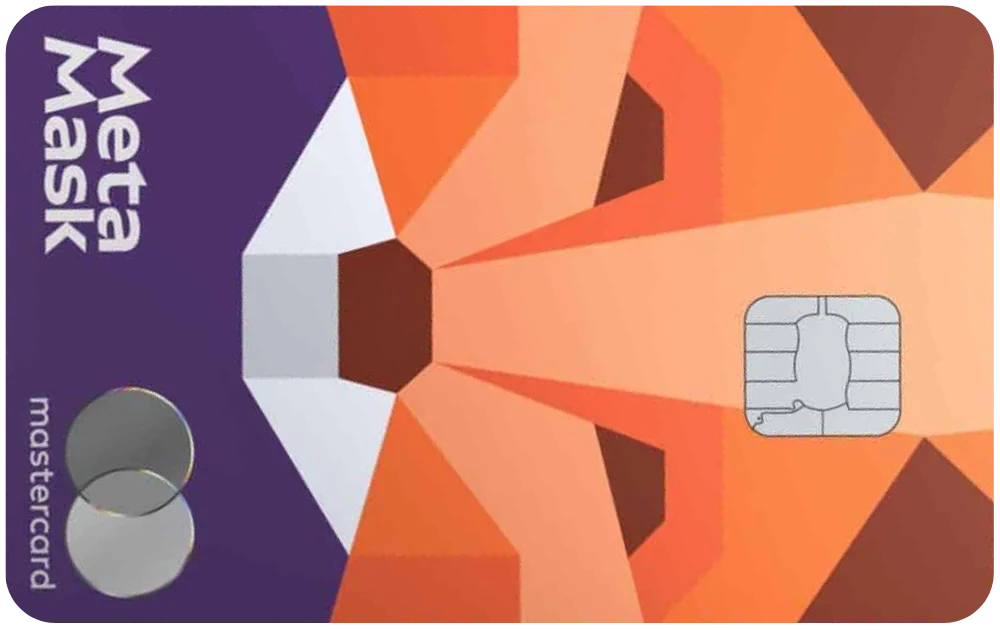
For users seeking a non-custodial crypto card that keeps funds in their personal wallets until the point of payment, the MetaMask Card stands out as the best choice in 2026. It supports a broad geographic range, integrates seamlessly with the popular MetaMask wallet, and offers competitive cashback rewards.
Alternatively, ether.fi Cash presents a compelling DeFi crypto card option with credit card features, membership-based limits, and up to 3% cashback, appealing to users wanting a more credit-oriented experience.
Both cards provide robust wallet control but come with unique fee structures, token support, and operational risks that prospective users should carefully evaluate before applying.
What Is a Non-Custodial Crypto Card?
A non-custodial crypto card , also called a self custody crypto card , allows users to spend cryptocurrency directly from their personal wallets without depositing funds into a centralized card account. Unlike traditional prepaid crypto cards where you transfer tokens to the issuer’s platform, these cards interact with your wallet or DeFi smart contracts at payment time, preserving user control over funds until the transaction occurs.
This model appeals to crypto users who prioritize security and decentralization but still want the convenience of fiat-accepting cards for everyday purchases.
Key Features to Compare in 2026
When evaluating the best non custodial crypto card options, consider these critical factors:
- Custody Model: Degree of wallet control retained before and after spending
- Supported Tokens: Which cryptocurrencies and stablecoins can be spent or used for collateral
- Geographic Availability: Supported countries for physical and virtual cards
- Fees and Limits: Issuance fees, transaction fees, daily/monthly spending caps
- Rewards and Cashback: Percentage and structure of incentives
- Payment Flow: How funds move from wallet to merchant and handling of refunds
- Risks and Limitations: Potential failed transactions, regulatory impacts, and security concerns
Comparison Table: Top Non-Custodial Crypto Cards in 2026
Feature | MetaMask Card | ether.fi Cash |---|--- Custody Model | Funds remain in MetaMask wallet until payment | DeFi-native credit card with wallet collateral until spend Supported Tokens | ETH, USDC, DAI, and other ERC-20 tokens | ETH, USDC, DAI, and select stablecoins Availability | US, Europe, UK, Canada, Latin America, Switzerland (virtual + physical) | Over 100 million locations globally (virtual + physical) Issuance Fee | $10 for physical card; virtual card free | $15 for physical card; virtual card free Spending Limits | $5,000/day standard | Membership tiers start at $30,000/day Transaction Fees | ~1% conversion fee; network gas fees apply | 0.5% to 1.5% depending on membership; network fees apply Cashback | Up to 2% on select purchases | Up to 3% cashback on all spending Wallet Integration | Native MetaMask wallet integration | Works with multiple DeFi wallets; ether.fi app required Refund Handling | Refunds returned to wallet; subject to gas fees | Refunds credited to ether.fi wallet; network fees may apply _Fee data verified as of June 2026. Fees and limits are subject to change; always check official sources before applying._
Deep Dive: MetaMask Card vs ether.fi Cash
MetaMask Card – The Wallet-First Debit Card
The MetaMask Card is an extension of the widely-used MetaMask self custody wallet ecosystem, targeting users who want to spend crypto without relinquishing control until payment. The card is linked directly to your MetaMask wallet, which holds your ETH and ERC-20 tokens. When you pay, the card smartly converts crypto to fiat in real time, debiting your wallet balance.
Pros:
- Broad geographic reach including the US, Europe, and LATAM
- Seamless integration with MetaMask wallet and browser extensions
- Competitive cashback up to 2%
- Supports both virtual and physical cards with Apple Pay and Google Pay compatibility
Cons:
- ~1% crypto-to-fiat conversion fee plus gas network fees
- Spending limits capped at $5,000 daily for most users
- Refunds require on-chain transactions, incurring possible delays and fees
ether.fi Cash – The DeFi Credit Card Alternative
ether.fi Cash positions itself as a DeFi-native, non-custodial crypto credit card alternative, offering up to 3% cashback and higher daily spending limits based on membership tiers. Instead of a prepaid model, it uses collateralized wallet assets to extend credit-like spending ability, appealing to users who want more flexibility and larger transaction capacity.
Pros:
- Higher spending limits starting at $30,000 per day for members
- Up to 3% cashback on all purchases
- Supports Apple Pay and Google Pay, virtual and physical cards
- Strong emphasis on DeFi principles and wallet control
Cons:
- Membership fees and tier-based pricing can add complexity
- Network and transaction fees vary and can be higher depending on usage
- Requires more technical knowledge to manage wallet collateralization
Risks and Limitations of Non-Custodial Crypto Cards
While self custody crypto cards offer advantages in control and transparency, they do not eliminate all risks:
- Failed Payments: Network congestion or insufficient gas fees can cause transactions to fail at payment time.
- Refund Delays: Refunds are processed on-chain, which can take longer and incur additional fees compared to traditional cards.
- Regulatory Constraints: Availability and usage may be restricted by jurisdictional regulations or issuer policies.
- Complex Fee Structures: Users must understand conversion fees, network gas costs, and membership tiers to avoid surprises.
- Wallet Security: The security of funds depends entirely on the user’s wallet management practices.
How to Choose the Best Non Custodial Crypto Card for You
To select the best card, start by:
- Identifying your primary wallet and token holdings—ensure card compatibility.
- Checking supported countries and card types (virtual vs physical).
- Reviewing fees, cashback rates, and spending limits to fit your usage patterns.
- Considering user experience, app support, and integration with your crypto ecosystem.
- Understanding refund and dispute resolution processes.
For a broader context on crypto card options, visit our comprehensive 2026 crypto card comparison pillar page.