



























When deciding between a crypto debit card vs crypto credit card in 2026, understanding their fundamental differences is essential. Both card types enable you to spend cryptocurrency, but they operate distinctly — one typically converts your crypto balance instantly for spending, while the other offers borrowing power against your crypto assets. Making the right choice can save you fees, reduce tax complexity, and optimize your crypto spending experience.
Quick Verdict
If you want straightforward spending with minimal complexity, a crypto debit card is your best starting point — it converts your crypto to fiat at the point of sale, similar to traditional debit cards. However, if you hold significant crypto assets and want to spend crypto without selling, a crypto credit card that uses your holdings as collateral to extend credit can be more cost-effective and flexible, albeit with added risks and potential interest charges.
Check fees carefully, especially conversion rates and interest costs, and consider the card’s availability in your region. Explore our best crypto cards of 2026 for in-depth reviews and updates.
Understanding Crypto Debit Cards and Crypto Credit Cards
What Is a Crypto Debit Card?
A crypto debit card functions similarly to a traditional debit card but is linked to your cryptocurrency wallet or account. When you make a purchase, the card instantly converts the crypto balance to fiat currency at the point of sale. This means your crypto is sold immediately to fund the transaction.
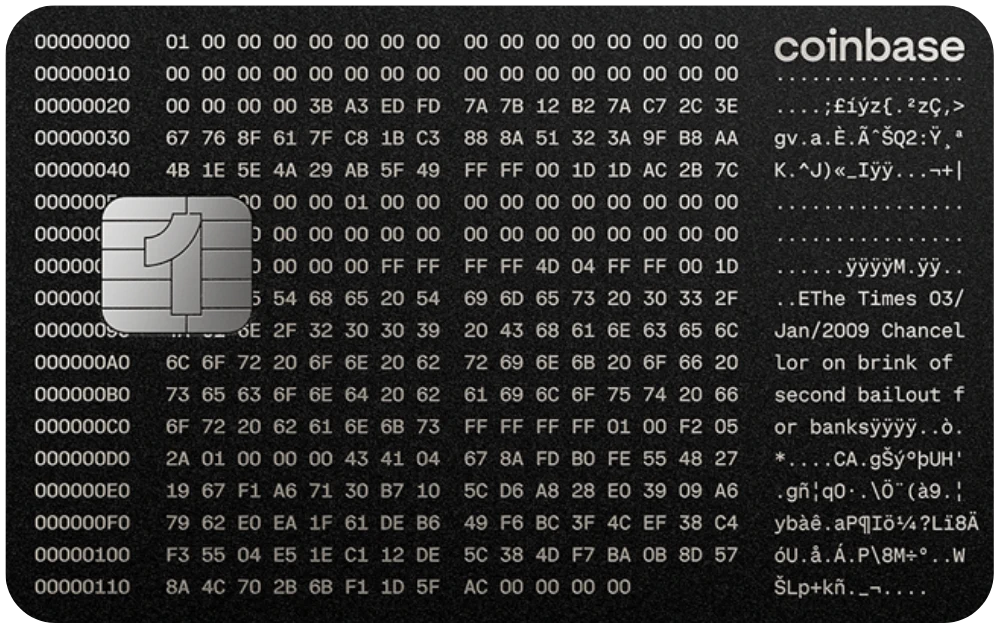
Popular examples include the Coinbase Card (Visa) and the MetaMask Card (Mastercard). These cards often support stablecoins for smoother conversions and reduced volatility.
What Is a Crypto Credit Card?
A crypto credit card allows you to borrow funds using your crypto assets as collateral rather than selling them outright. This borrowing power lets you spend fiat currency backed by your crypto holdings, which remain in your account. You repay the borrowed amount later, possibly with interest.
Examples include the Nexo Card, which offers a dual-mode operation (debit and credit), and ether.fi Cash, a DeFi-native, non-custodial credit card. These cards allow you to maintain your crypto exposure while accessing spending power.
How Payments and Conversions Work
Crypto Debit Card Payment Process
When you use a crypto debit card, the payment processor immediately sells the necessary amount of cryptocurrency from your wallet to cover the purchase in fiat currency. This process is generally seamless, but it means you realize a taxable event with every transaction since you are selling crypto.
For example, spending $100 via a crypto debit card means $100 worth of crypto is sold instantly, usually at a rate close to market price but sometimes with a conversion fee (typically 0.5% to 3%).
Crypto Credit Card Payment Process
With a crypto credit card, you don’t sell your crypto at the time of purchase. Instead, you borrow fiat currency against your crypto collateral. This borrowing is similar to a loan, so you repay the amount later, often with interest.
This method avoids immediate taxable events and lets you hold your crypto assets. However, it introduces complexity such as potential liquidation risks if your collateral value drops and possible interest charges ranging from 5% to 13% APR or more.
Key Fees and Limits Comparison
Feature | Crypto Debit Card | Crypto Credit Card |---|--- Instant Crypto Sale at Purchase | Yes | No (borrow against collateral) Typical Conversion Fees | 0.5% - 3% | Usually none upfront Interest Charges | None | 5% - 13% APR (varies by provider) Cashback / Rewards | Up to 3% (e.g., Ether.fi Cash) | Up to 2% (e.g., Nexo Card) Spending Limits | Varies by card and country | Often higher, e.g., $30,000/day (Ether.fi Cash) Collateral Requirement | None | Yes (crypto assets held as collateral) Monthly/Annual Fees | Often none (MetaMask, Nexo) | Often none (Nexo), varies Availability | Widely available (US, EU, LATAM, etc.) | More limited, mainly Europe & select countries _Fee data verified as of June 2026 from official card provider websites._
Pros and Cons of Each Card Type
Crypto Debit Card
- Pros: Simple to use, no debt or interest, immediate spending power, widely accepted.
- Cons: Triggers taxable events on every purchase, potential conversion fees, requires selling crypto.
Crypto Credit Card
- Pros: Spend without selling crypto, tax-efficient, potential interest earnings on collateral, higher spending limits.
- Cons: Interest charges if balance not repaid, risk of collateral liquidation, more complex to manage.
When to Choose a Crypto Debit Card
If you want a straightforward experience and prefer not to manage collateral or debt, a crypto debit card is ideal. It’s perfect for everyday spending, travel, or small purchases where simplicity and speed matter. Cards like the Coinbase Card or MetaMask Card offer broad geographic availability and are good entry points.
When to Choose a Crypto Credit Card
If you hold substantial crypto assets and want to maintain your position while accessing liquidity, a crypto credit card offers a compelling solution. Cards like the Nexo Card provide collateralized borrowing with cashback rewards and interest on unspent balances. Be prepared to monitor collateral ratios and repay balances timely to avoid liquidation or interest buildup.
Additional Considerations
Stablecoin Cards
Some crypto debit and credit cards support stablecoins like USDC or USDT, which can reduce volatility and conversion fees. If you prefer to minimize crypto price risks during spending, consider a stablecoin card comparison to find the best fit.
Security and Custody
Debit cards usually require transferring funds into a custodial wallet held by the card issuer, while some credit cards, especially DeFi-based ones like ether.fi Cash, operate non-custodially. Understand the custody model to assess security and control over your assets.
Regional Availability
Not all cards are available globally. Verify if the card supports your country of residence to avoid application rejections or unsupported transactions.
Summary and Next Steps
The choice between a crypto debit card vs crypto credit card depends on your spending habits, tax considerations, desire to hold crypto long-term, and risk tolerance. Crypto debit cards offer simplicity and immediate spending but at the cost of selling assets. Crypto credit cards provide borrowing flexibility and tax efficiency but require careful management to avoid interest and collateral risks.
For a comprehensive view of the best options available, visit our best crypto cards of 2026 guide, which covers fees, rewards, and provider reputations in detail.