








As the cryptocurrency ecosystem matures, the demand for reliable and cost-effective stablecoin payment cards has surged. Whether you hold USDT, USDC, or prefer to operate with USD-backed accounts, the best stablecoin cards in 2026 offer streamlined funding, low fees, and widespread acceptance for everyday spending. This guide dives deep into the leading stablecoin debit cards, comparing fees, rewards, custody models, and geographic availability to help you find the ideal crypto card for stablecoins.
Quick Verdict
The best stablecoin cards in 2026 balance low fees, transparent currency conversion, and strong usability. KAST leads with zero USD spend fees and competitive FX rates, plus rewarding cashback tiers. RedotPay offers a solid USDT card option but with notable issuance and ATM fees. The MetaMask Card integrates directly with your wallet and supports a broad range of countries, making it ideal for users wanting direct control without intermediaries. Always verify live stablecoin card fees before applying, as rates may vary by region and card type.
Understanding Stablecoin Cards: Why They Matter in 2026
Stablecoins such as USDT and USDC are increasingly popular among freelancers, remote workers, and traders who prefer predictable, dollar-pegged balances. Unlike traditional crypto cards heavy on volatile assets like Bitcoin or Ethereum, stablecoin cards focus on minimizing exchange rate uncertainty and simplifying daily expenses.
A stablecoin debit card allows you to spend your USDT or USDC balance directly at merchants or withdraw cash from ATMs without converting to fiat beforehand. This reduces friction and often cuts down on costly bank transfers or currency conversions.
However, not all stablecoin cards are created equal. Differences in custody (custodial wallets vs. direct wallet connections), fee structures, and supported regions can significantly impact your experience and expenses.
Comparison Table: Top Stablecoin Cards in 2026
Card Provider | Supported Stablecoins | Issuance Fee | Top-up Fee | Spend Fee (USD) | Foreign Exchange Fee (Non-USD) | ATM Withdrawal Fee | Rewards | Supported Countries | Custody Model |---|---|---|---|---|---|---|---|--- RedotPay | USDT, USDC, USD | Virtual: $10 Physical: $100 | Varies by method | Varies (check app) | Varies (0.5%+ typical) | Varies; ATM fees apply | None listed | Limited (check app) | Custodial KAST | USDT, USDC, USD | $0 | 0% | 0% | 0.5% - 1.75% (non-USD) | Tiered; small fees apply; free ATM withdrawals up to limits by tier | KAST Points (tiered cashback) | Wide: US, EU, LATAM, others | Custodial MetaMask Card | USDT, USDC, Other ERC-20 | Varies by region | 0% | 0% | Standard Mastercard FX fees | Standard Mastercard ATM fees | Cashback (varies by country) | US, Argentina, Brazil, Canada, Colombia, Europe, Mexico, Switzerland, UK | Non-custodial (wallet linked) _Fee data verified as of June 2026; always consult official sources for real-time updates._
In-Depth Review of the Best Stablecoin Cards
RedotPay: A Stablecoin Card for Everyday Payments
RedotPay markets itself as a stablecoin-based card tailored for daily use, particularly targeting USDT and USDC holders. The card supports virtual and physical variants, with a $10 issuance fee for virtual cards and $100 for physical cards. This upfront cost is relatively high compared to competitors like KAST but may be justified by RedotPay’s payment ecosystem in select regions.
The fees for ATM withdrawals and currency conversions are split across various help articles, making it essential to check the latest details in the RedotPay app or support center before committing. Users should be aware of potential merchant transaction fees depending on the purchase location and card currency.
Compare RedotPay vs KAST for a detailed fee and feature breakdown.
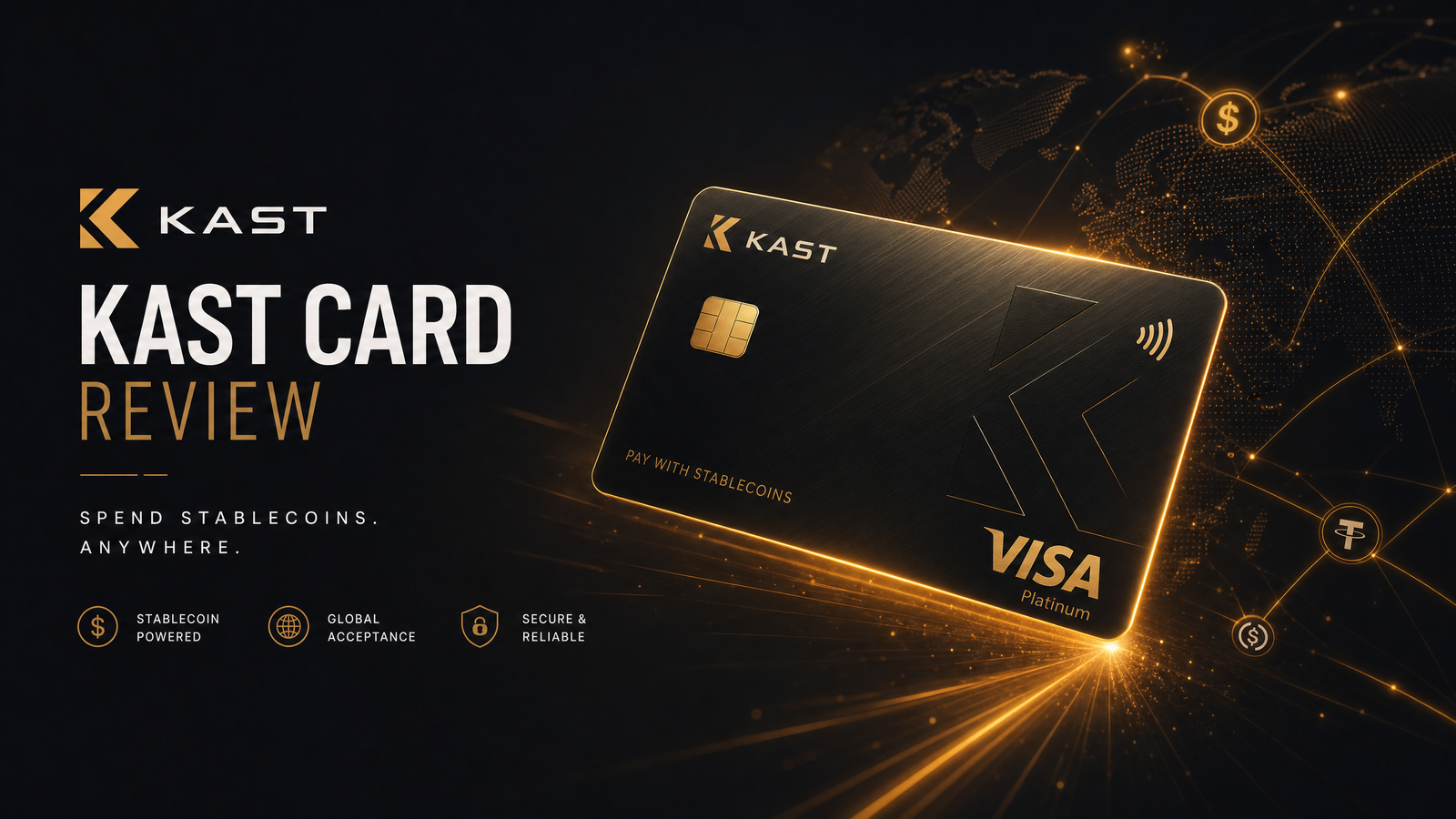
KAST Card: Transparent Fees and Rewarding Cashback
KAST offers one of the clearest and most competitive stablecoin card fee structures on the market. With zero fees on card issuance, USD top-ups, and USD spending, it is highly attractive for stablecoin users focused on minimizing costs.
Foreign exchange fees for non-USD transactions range from 0.5% to 1.75%, which is competitive relative to traditional cards. The card also features a tiered ATM withdrawal fee system, with free withdrawals available up to certain monthly limits depending on user status.
KAST Points reward users with cashback that increases by tier, incentivizing higher spending volumes. The card supports a wide range of countries across North America, Europe, and Latin America.
Visit our best crypto cards 2026 overview for more on KAST and other top competitors.
MetaMask Card: Direct Wallet Integration with Broad Access
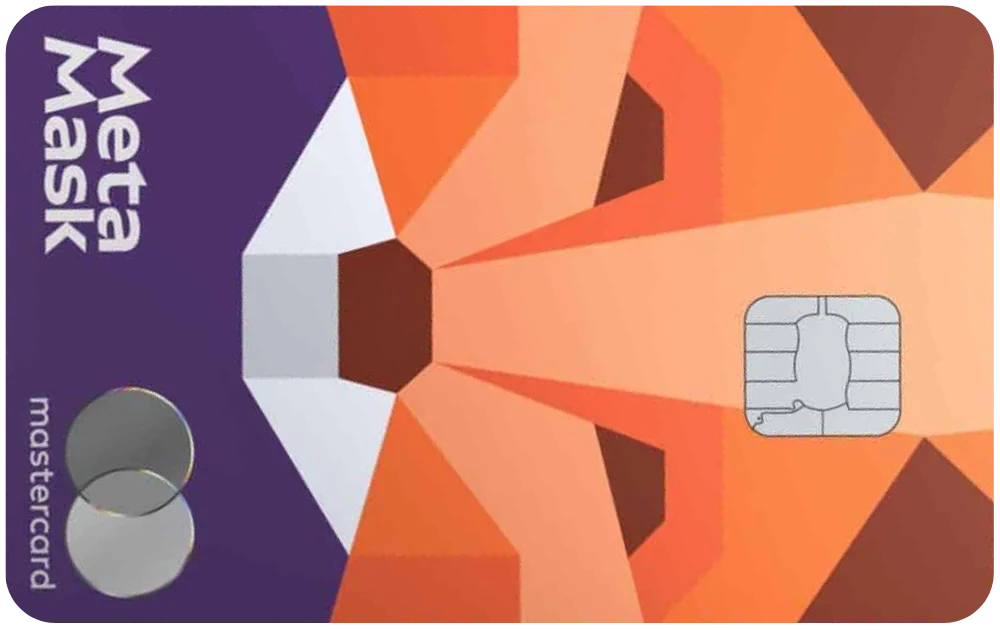
The MetaMask Card stands out by connecting directly to your MetaMask wallet, allowing funds to remain in your control until a transaction occurs. This non-custodial approach appeals to users who prioritize security and transparency.
Accepted wherever Mastercard is supported, the MetaMask Card offers zero top-up fees and no USD spend fees. Cashback is available but varies depending on the country of issuance. FX and ATM withdrawal fees align with standard Mastercard rates, so users should review these carefully.
Currently, the card supports users in the US, Argentina, Brazil, Canada, Colombia, Europe, Mexico, Switzerland, and the UK, making it one of the most geographically inclusive options.
Key Factors to Consider When Choosing a Stablecoin Card
- Fee Transparency: Stablecoin card fees can be complex, especially with multiple currencies and ATM usage. Prioritize providers with clear, accessible fee schedules.
- Custody Model: Non-custodial cards like MetaMask preserve user control but may lack some conveniences of custodial solutions like KAST or RedotPay.
- Geographical Availability: Confirm your country is supported to avoid application rejections or limited functionality.
- Currency Support: Ensure your preferred stablecoin (USDT, USDC, or USD) is supported natively without forced conversions.
- Rewards and Benefits: Cashback programs, points, or discounts can offset fees and enhance value for regular spenders.
- Funding Options: Look for cards allowing direct crypto wallet top-ups to avoid bank transfers or complicated conversion steps.
Practical Tips for Using Stablecoin Debit Cards
- Always check the latest stablecoin card fees on official sites before ordering a card.
- Consider ordering a virtual card first to test usability and fees.
- Track your foreign exchange costs if you spend outside USD to avoid unexpected expenses.
- Use cards with integrated mobile wallets (Apple Pay, Google Pay) for enhanced security and convenience.
- Regularly review your card’s terms and conditions as fee structures can change.
Conclusion: Which Stablecoin Card Should You Choose in 2026?
The "best stablecoin cards" depend on your priorities. For cost-conscious users wanting zero issuance and spend fees with rewards, KAST is a top contender. If you prefer non-custodial control with excellent country coverage, the MetaMask Card is compelling. Meanwhile, RedotPay suits those prioritizing stablecoin native support despite some upfront fees.
Remember to verify card availability and live fees before applying, as regional constraints and updates can affect your choice. For a broader view of crypto card options, explore our comprehensive best crypto cards 2026 guide.